Post-Workout Meals
You just trained. Now refuel the right way. Post-workout nutrition serves two jobs: protein to repair and build muscle, and carbs to restock the glycogen your muscles burned through. Aim to eat within 30-60 minutes of finishing, when your body is primed to absorb nutrients and shuttle them toward recovery. The catch? A massive post-workout meal can quietly erase the calorie burn you just earned. These recipes keep protein high (25g+) and calories in check (under 500) so you recover without undoing your workout.
42g
protein in top recipe
97
meals over 25g protein
362
avg calories per meal
Best Post-Workout Recipes
Sorted by protein - every recipe delivers 25g+ protein for under 500 calories.
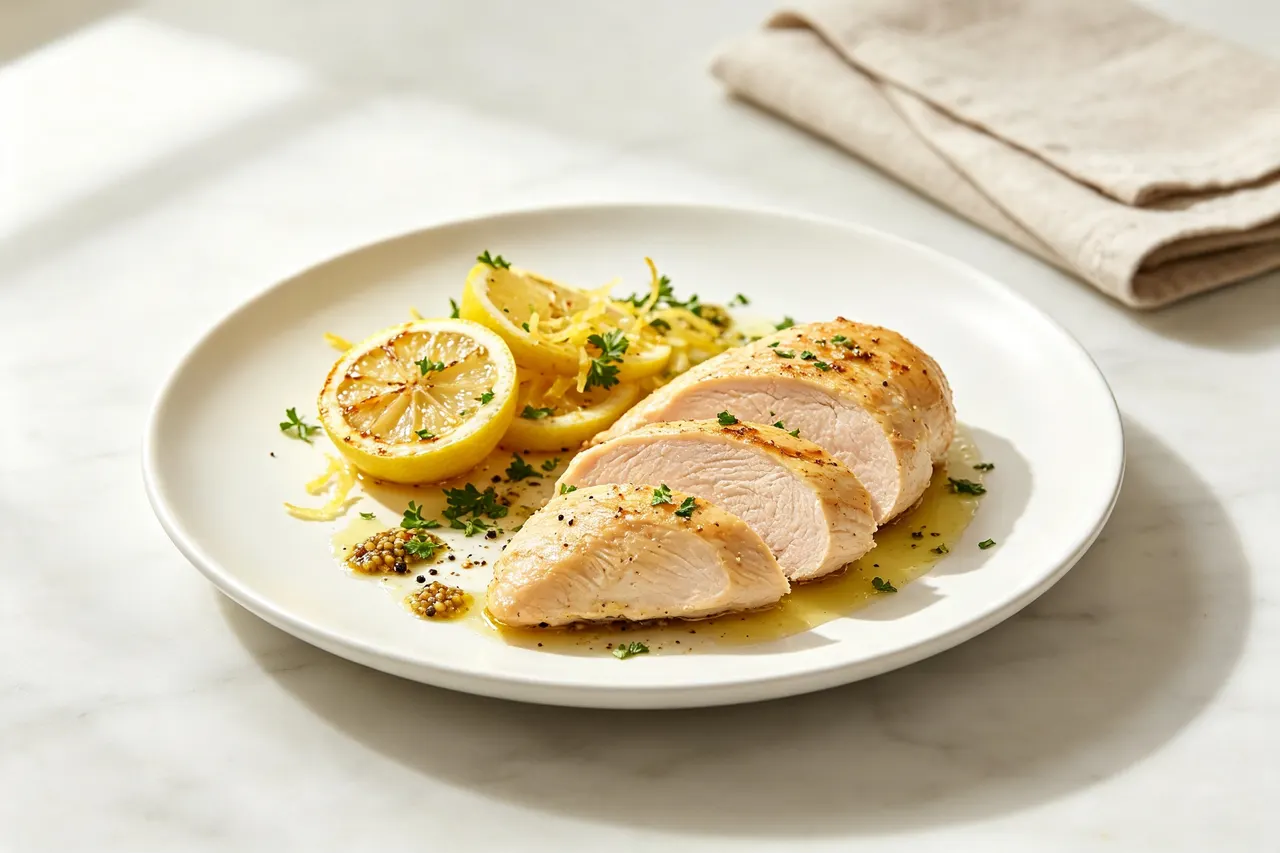
Air Fryer Chicken Breast
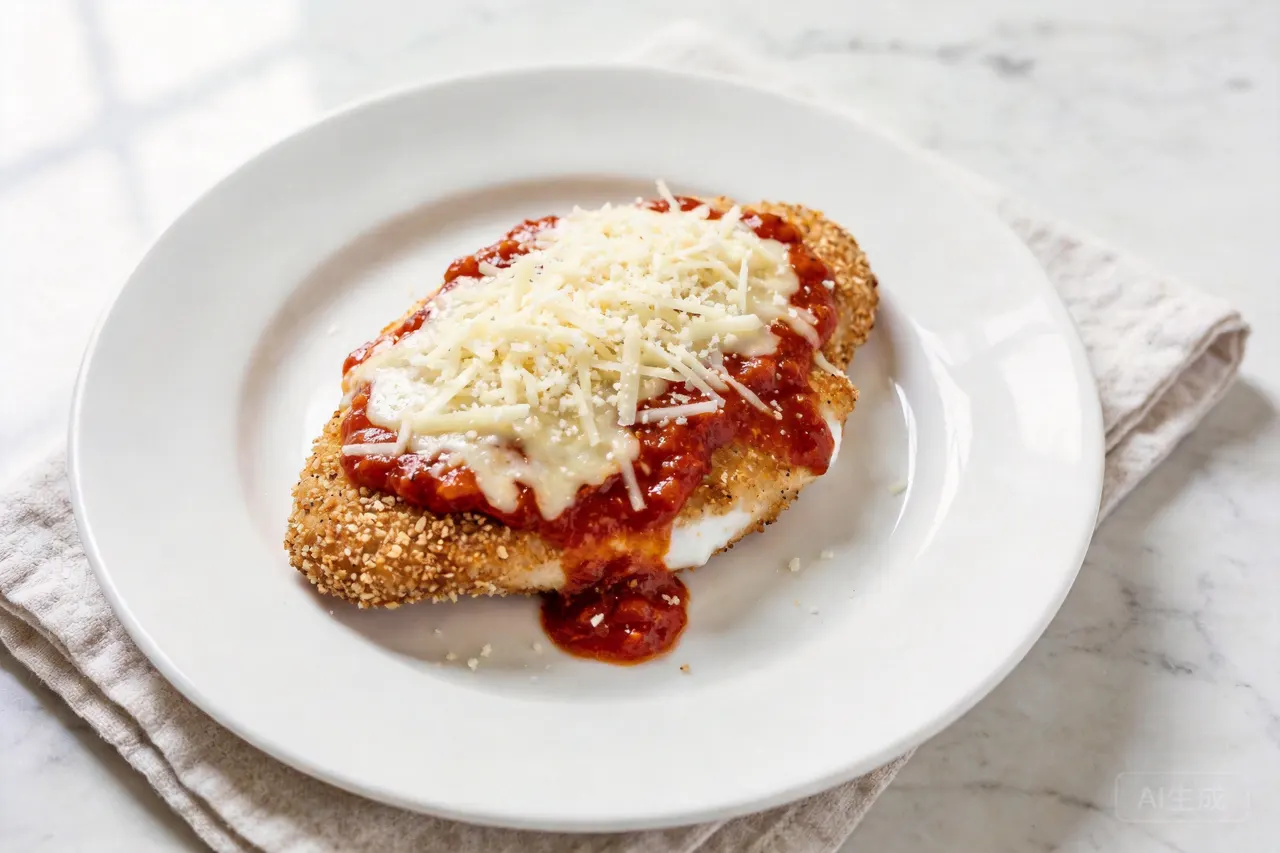
Light Chicken Parmesan
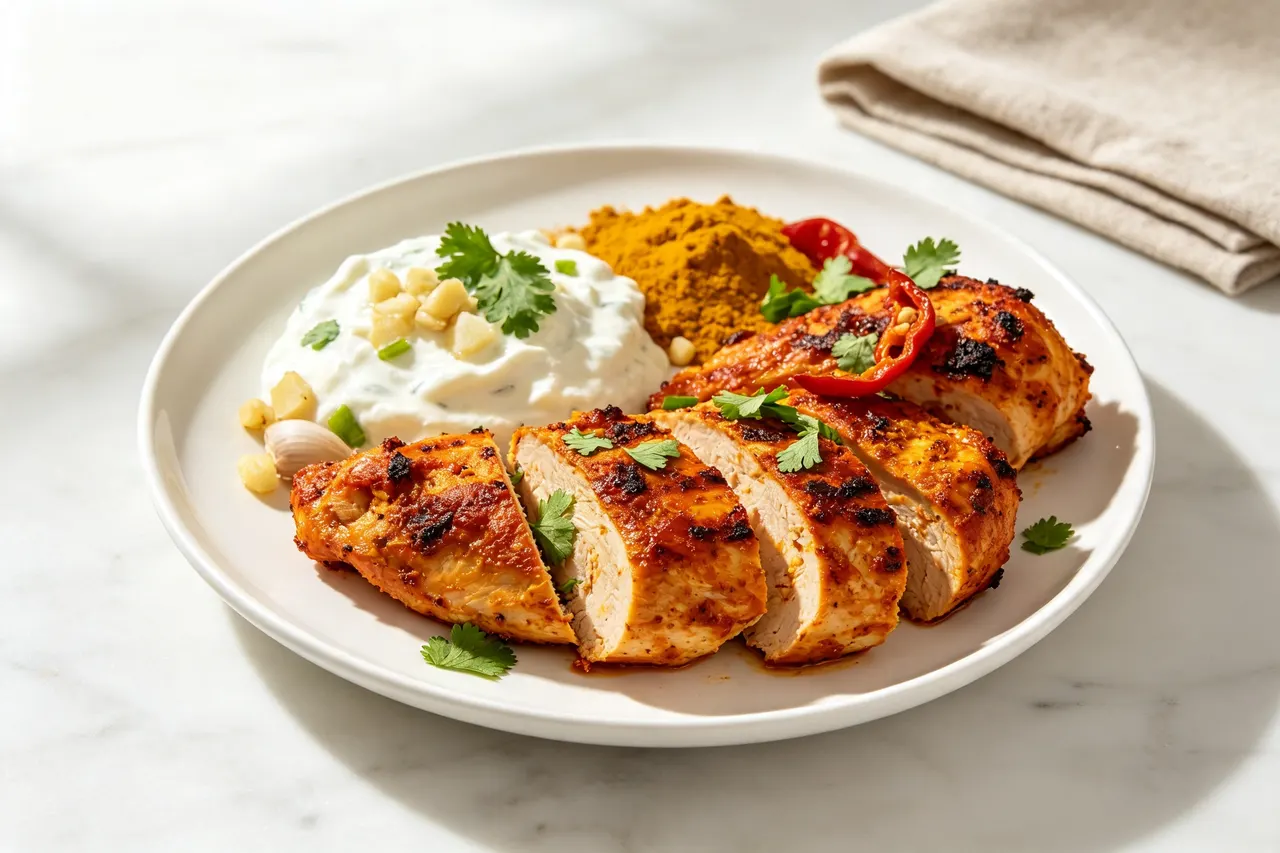
Tandoori Chicken (Baked)
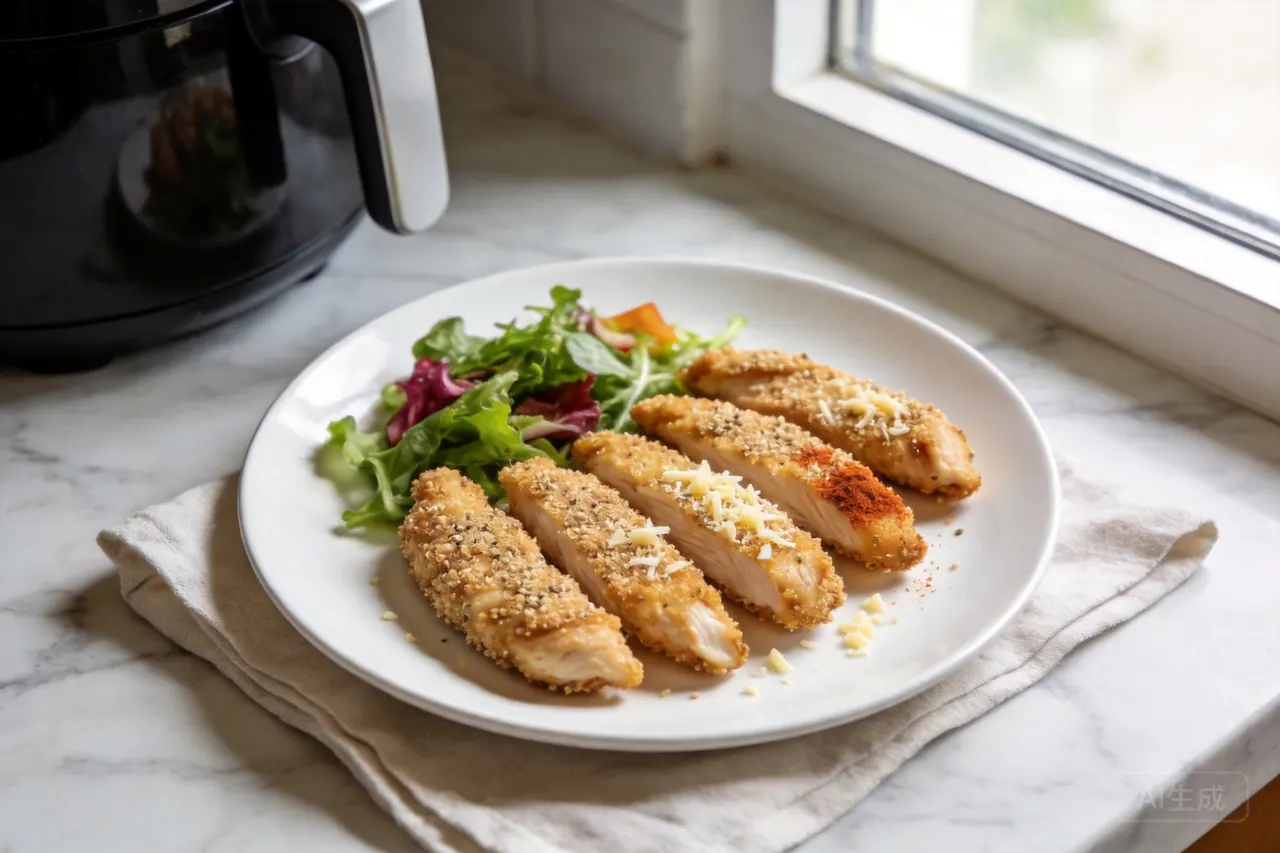
Air Fryer Chicken Tenders
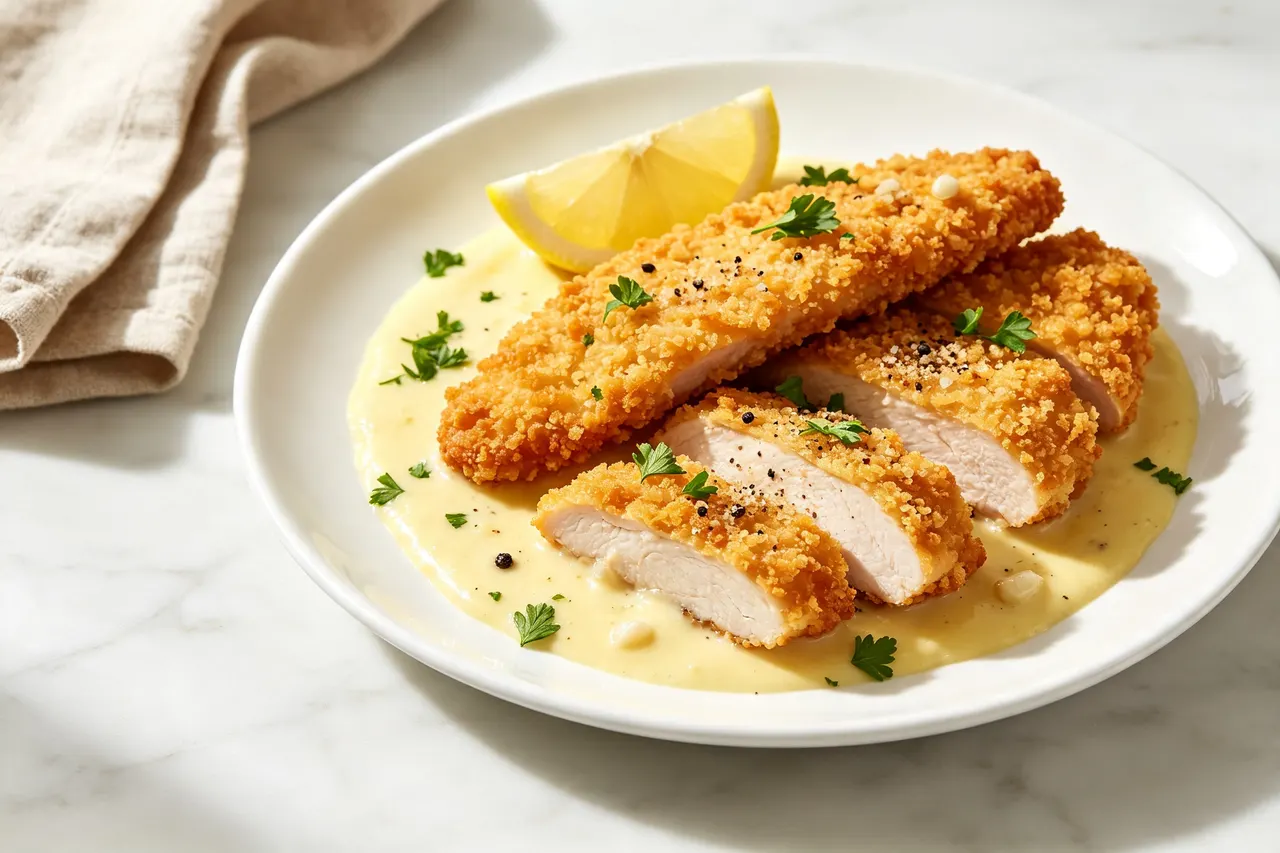
Air Fryer "Fried" Chicken
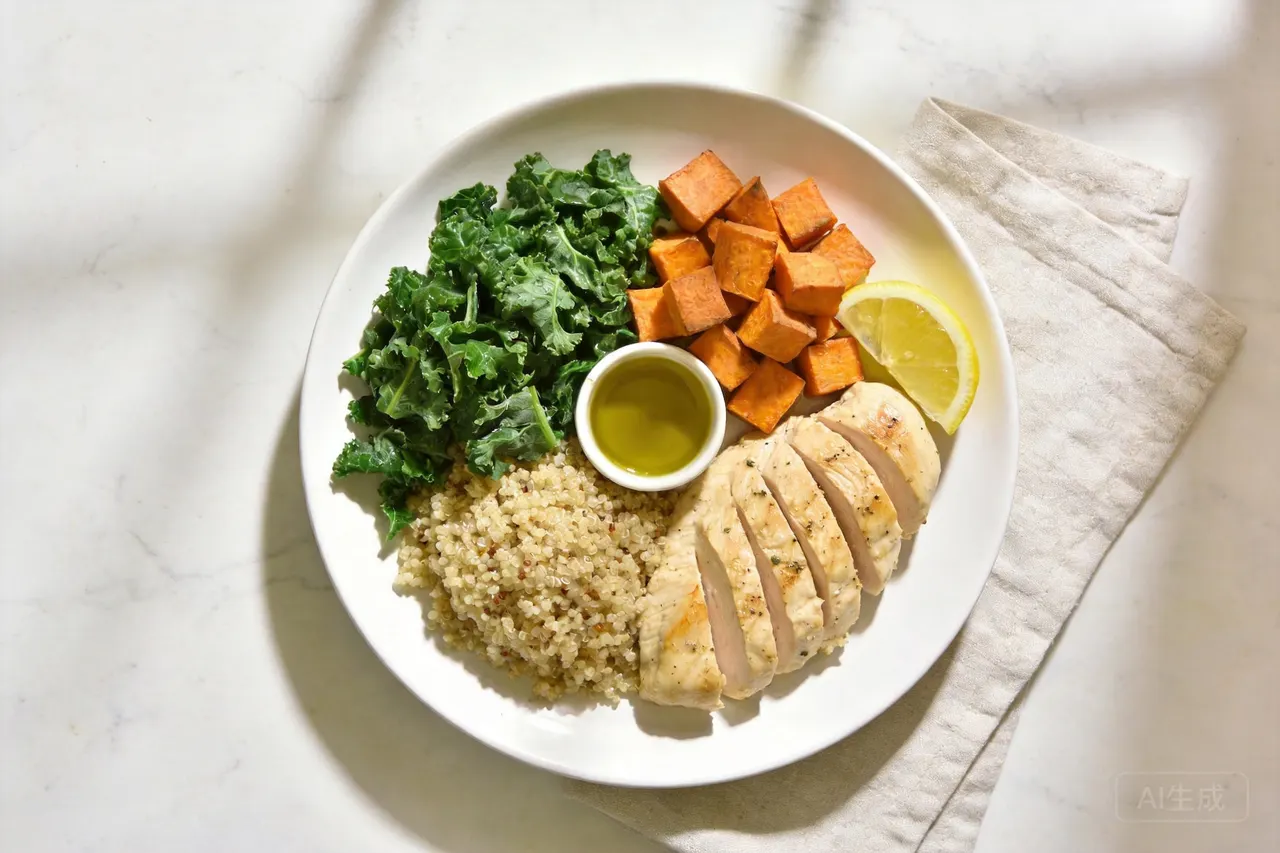
Chicken and Quinoa Power Bowl
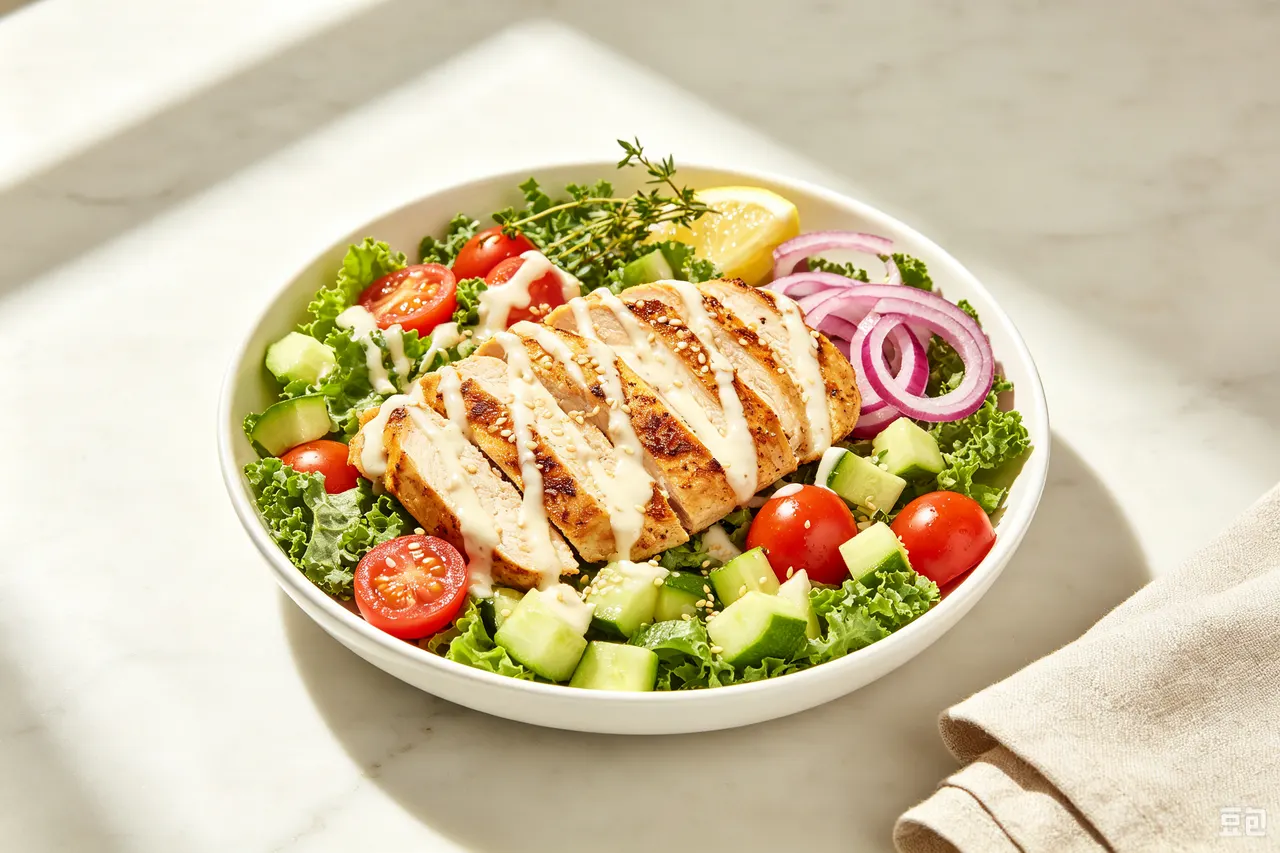
Chicken Shawarma Bowl
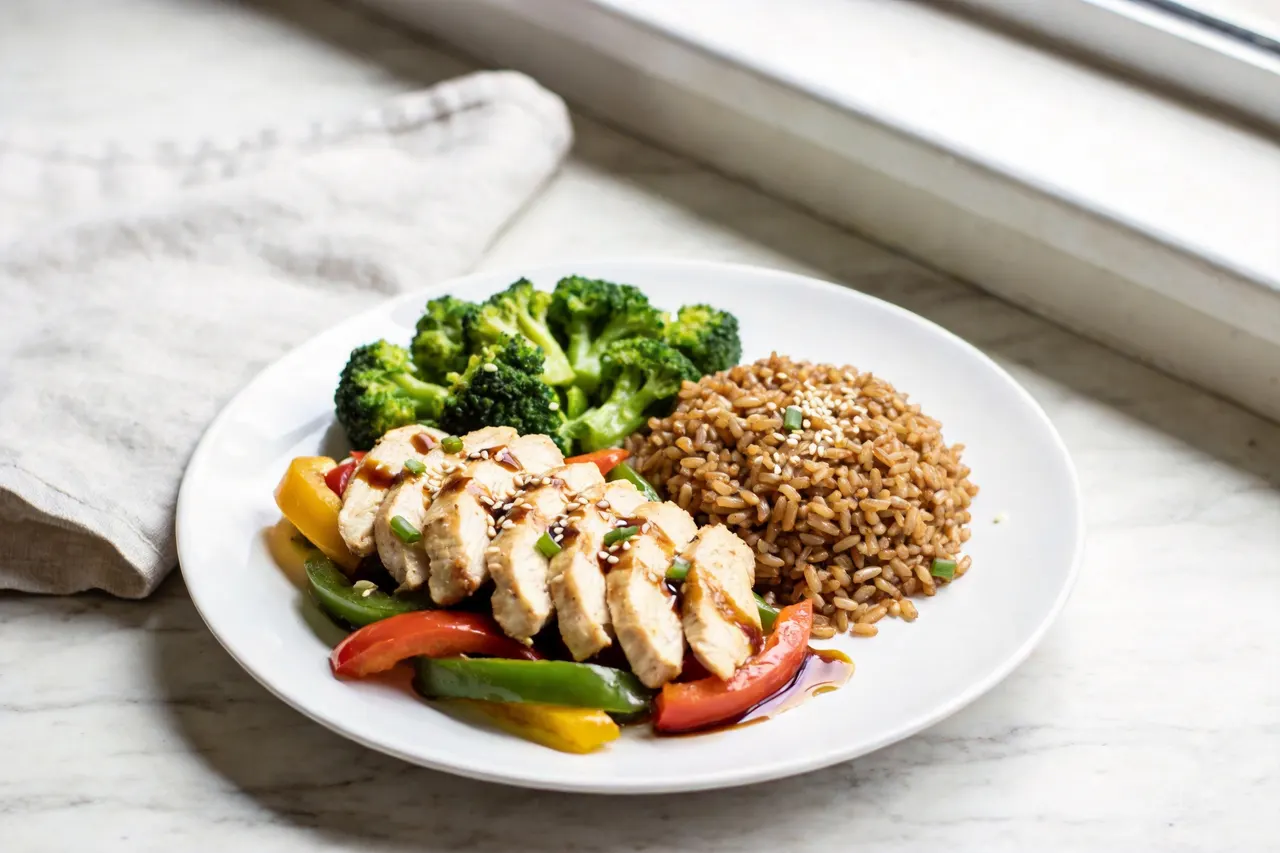
Chicken Stir-Fry with Brown Rice
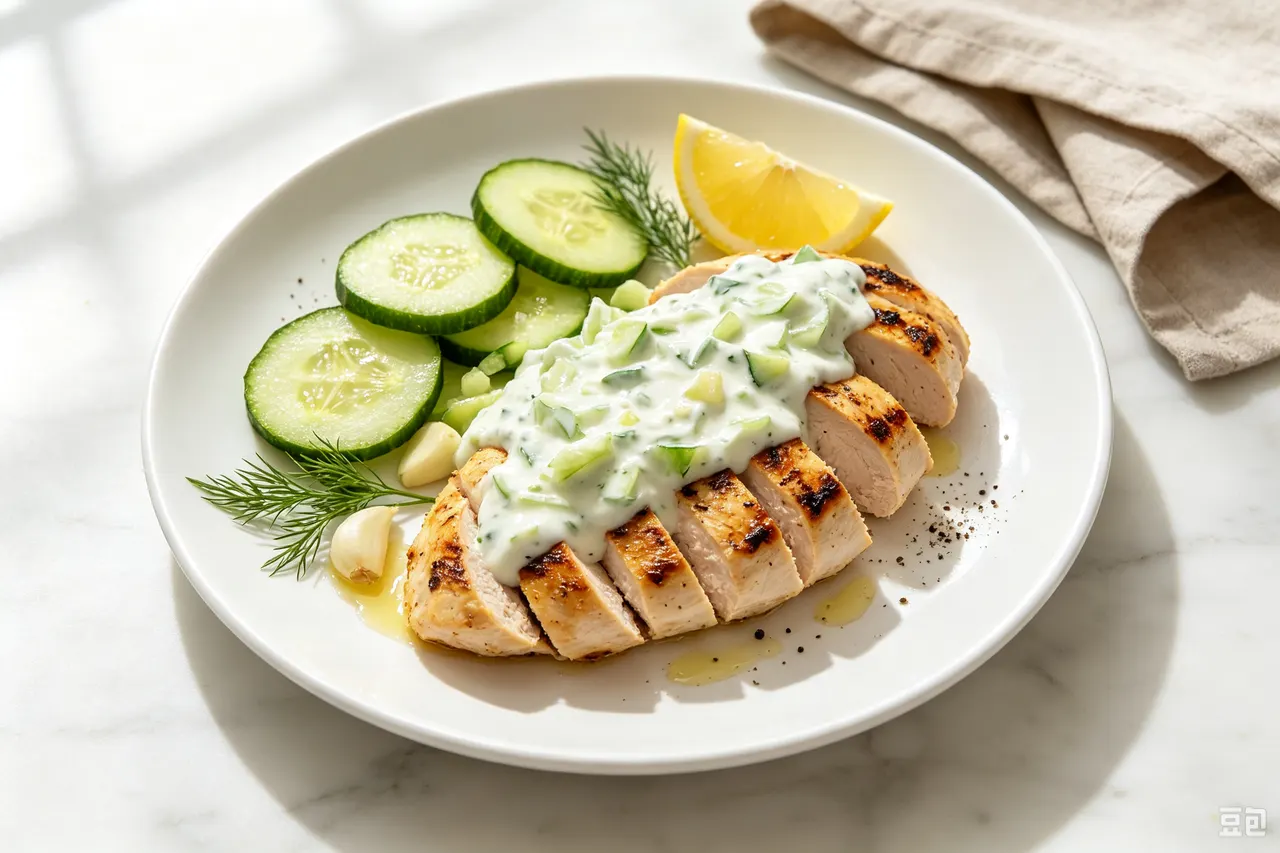
Greek Tzatziki Chicken
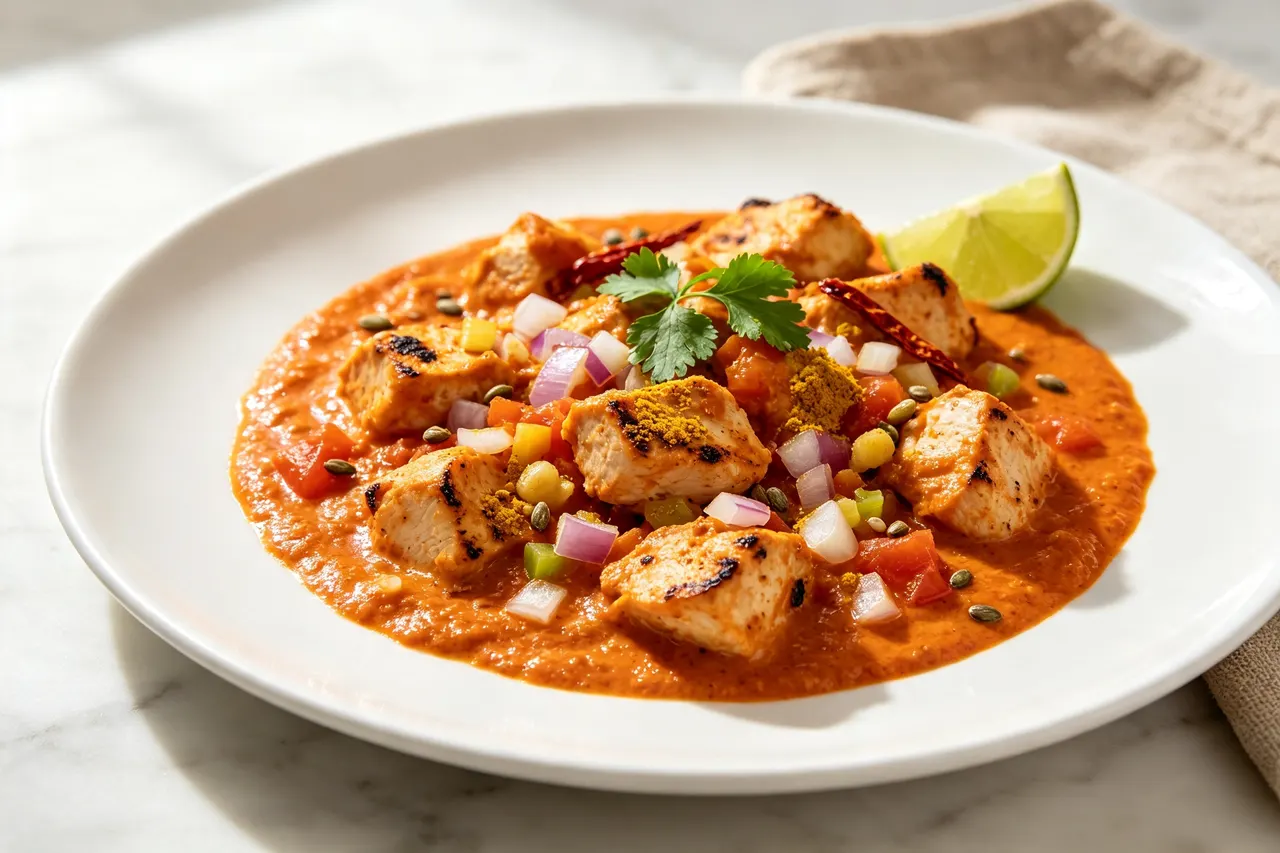
Low-Cal Chicken Tikka Masala
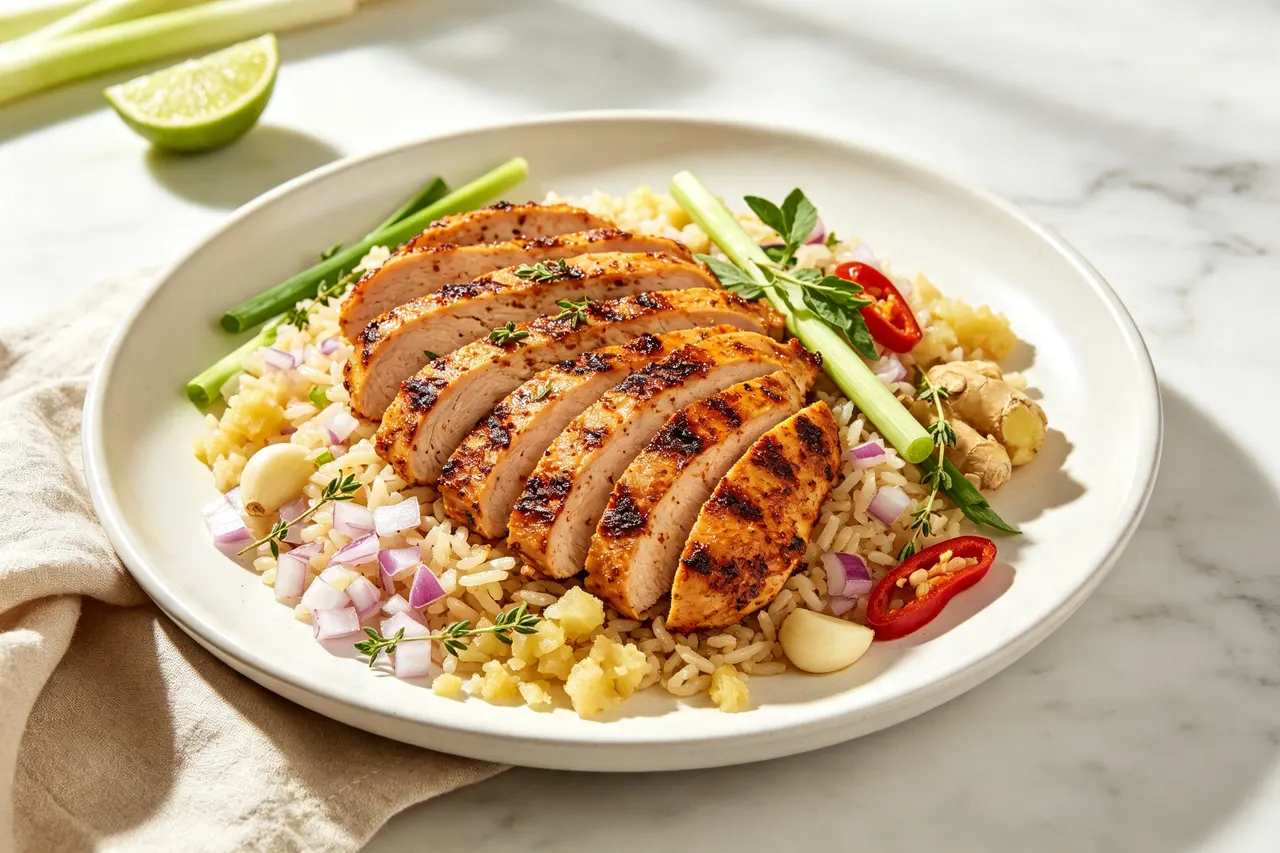
Low-Cal Jerk Chicken
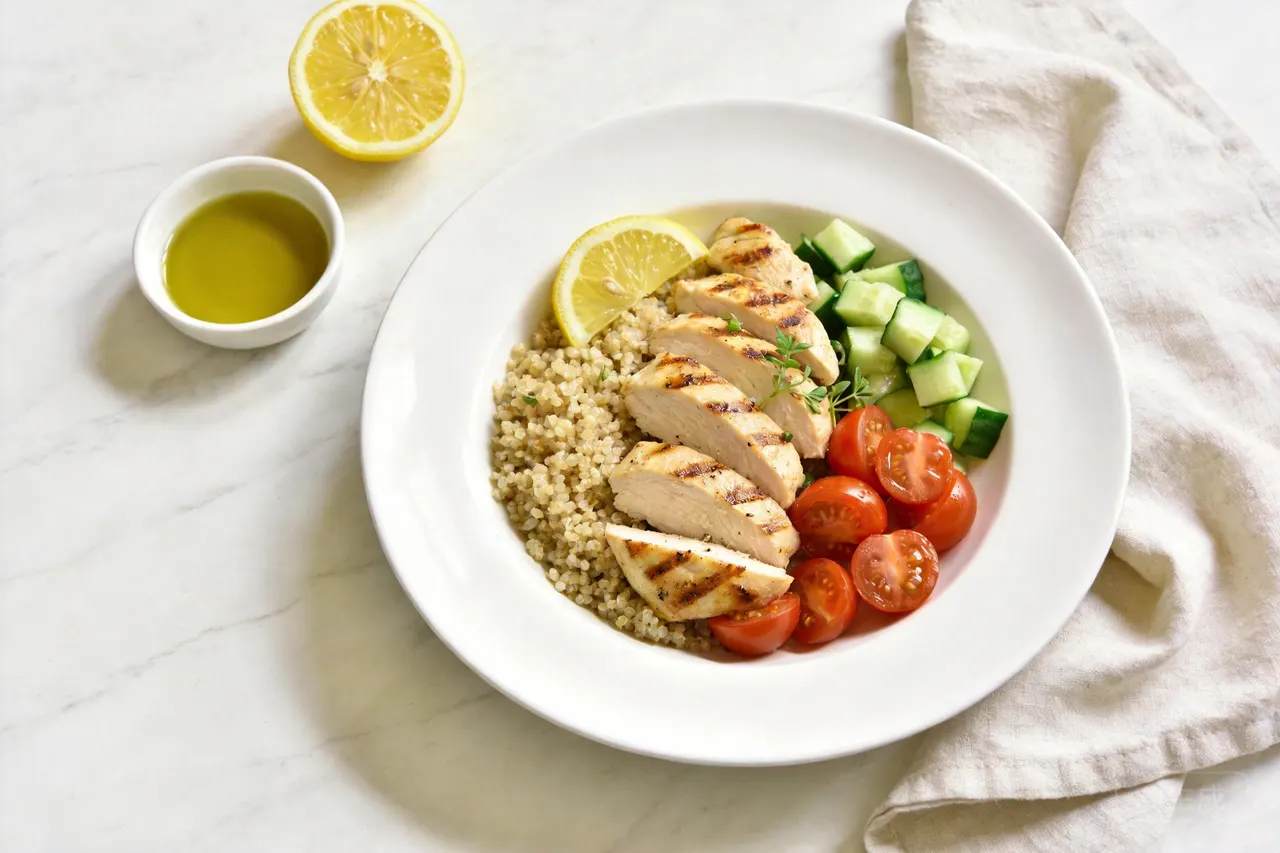
Mediterranean Chicken Bowl
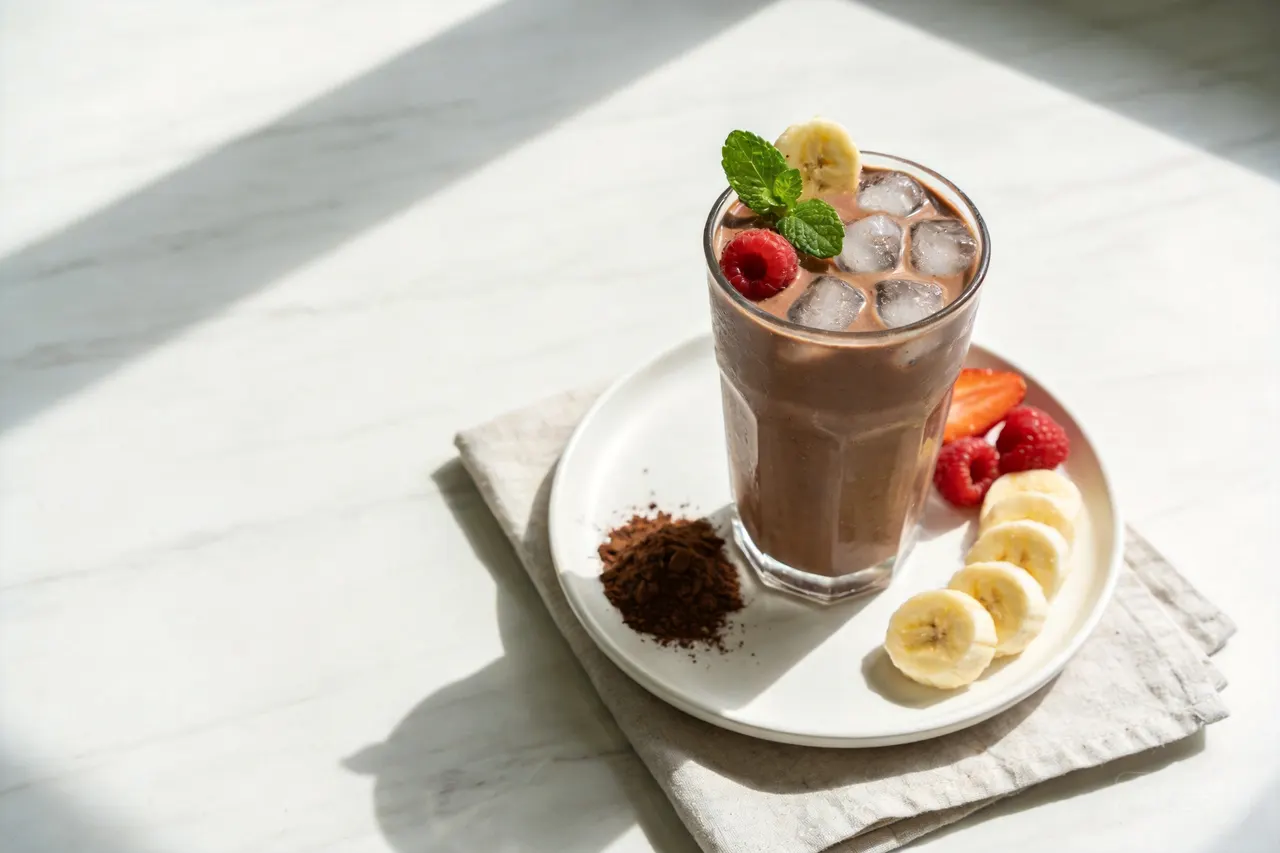
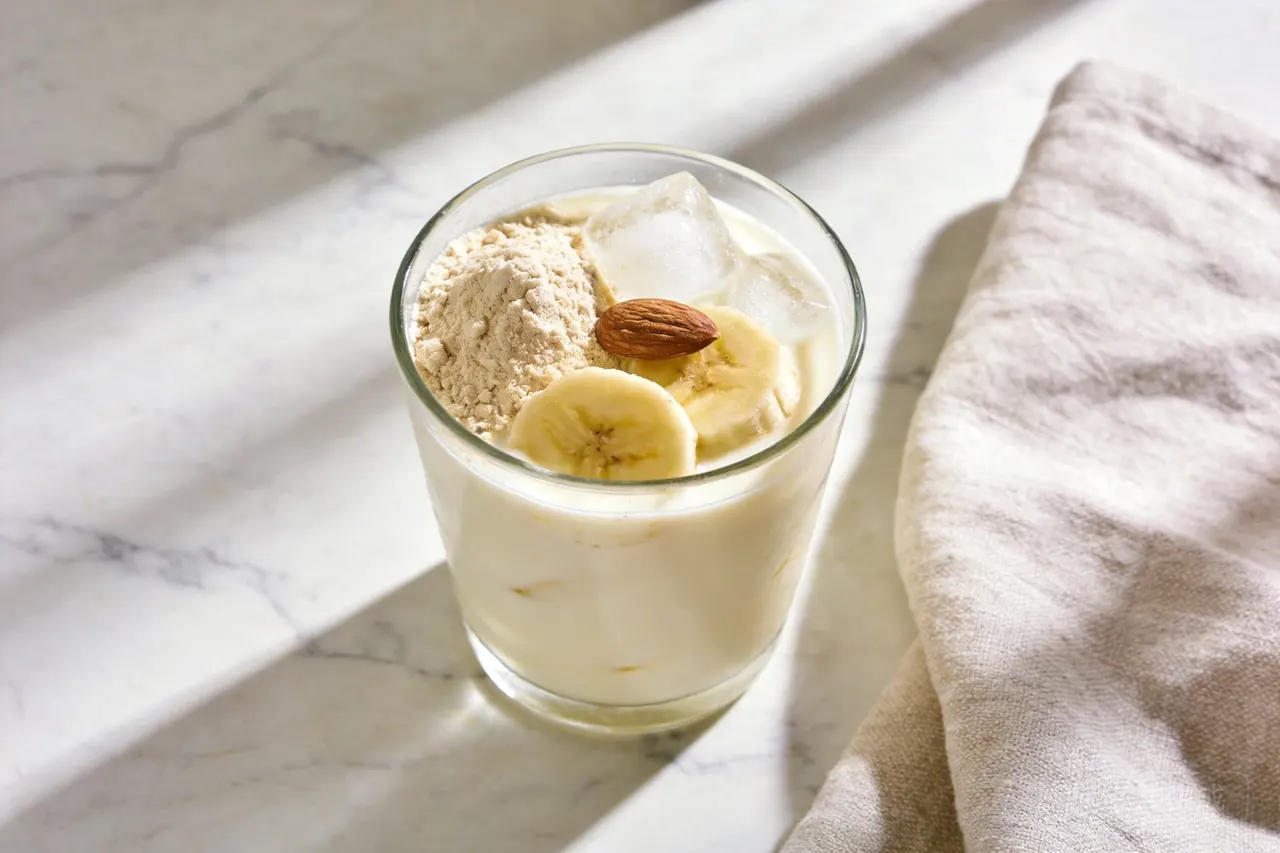
Post-Workout Snacks
Quick hits of protein when a full meal is too much right after training.
Post-Workout Breakfasts
Morning lifters - refuel with high-protein breakfasts under 500 calories.
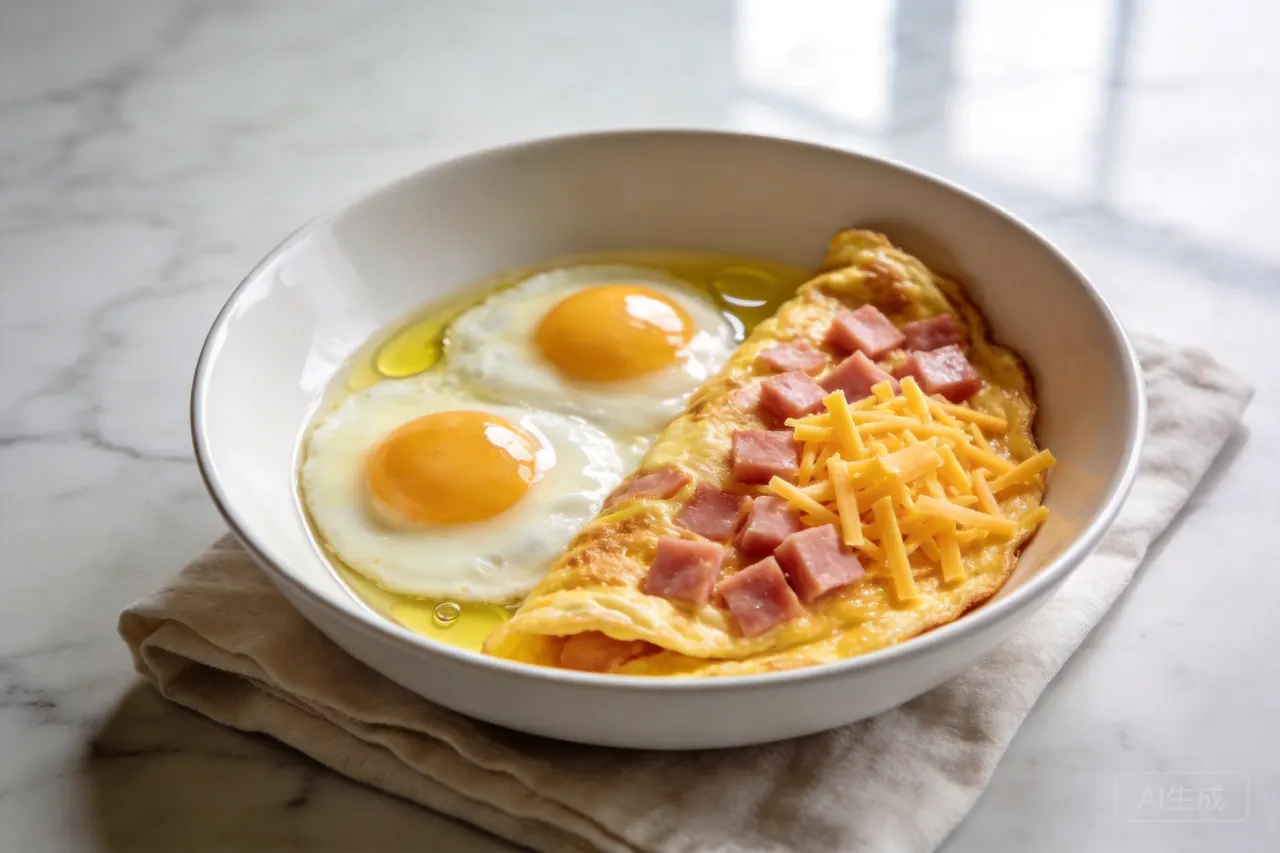
Ham and Cheese Omelette (340 Cal, 30g Protein)
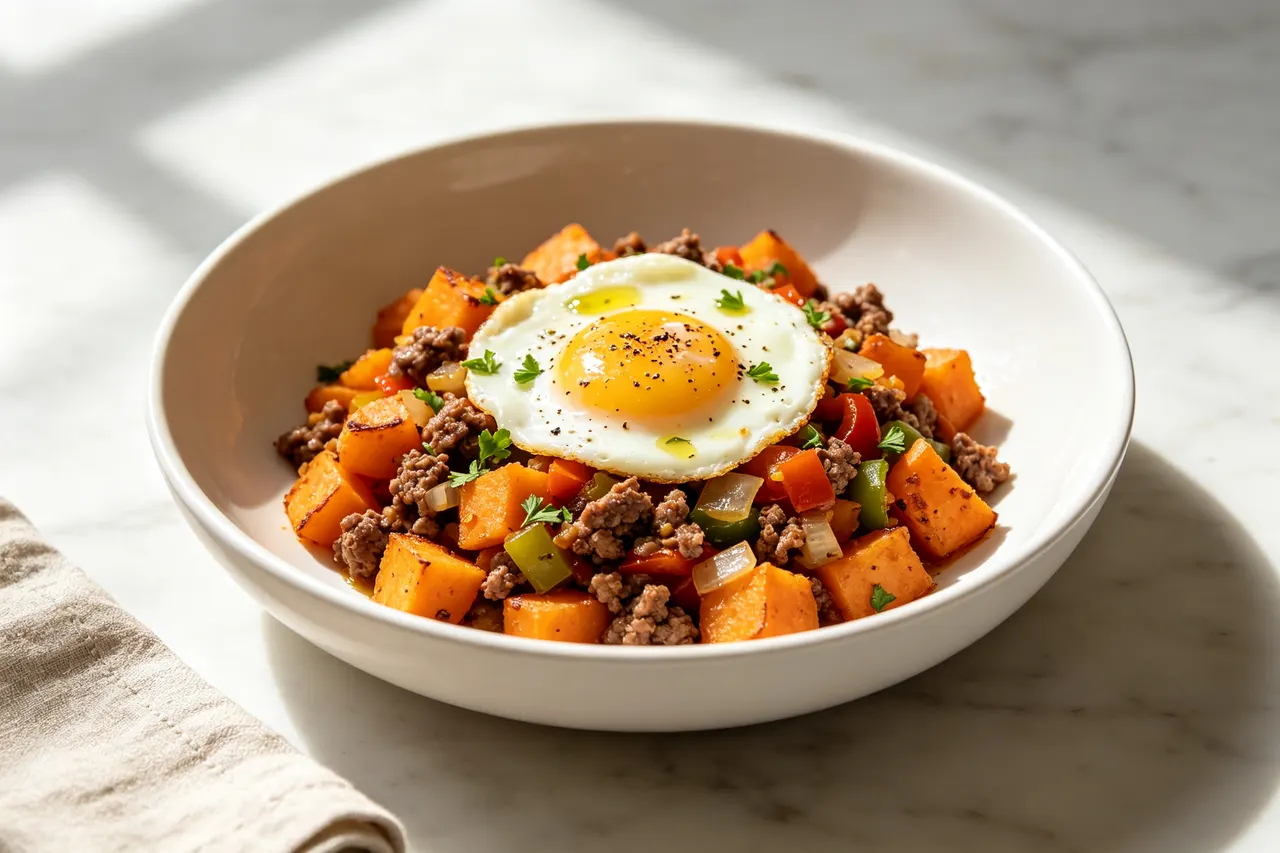
Paleo Sweet Potato Hash
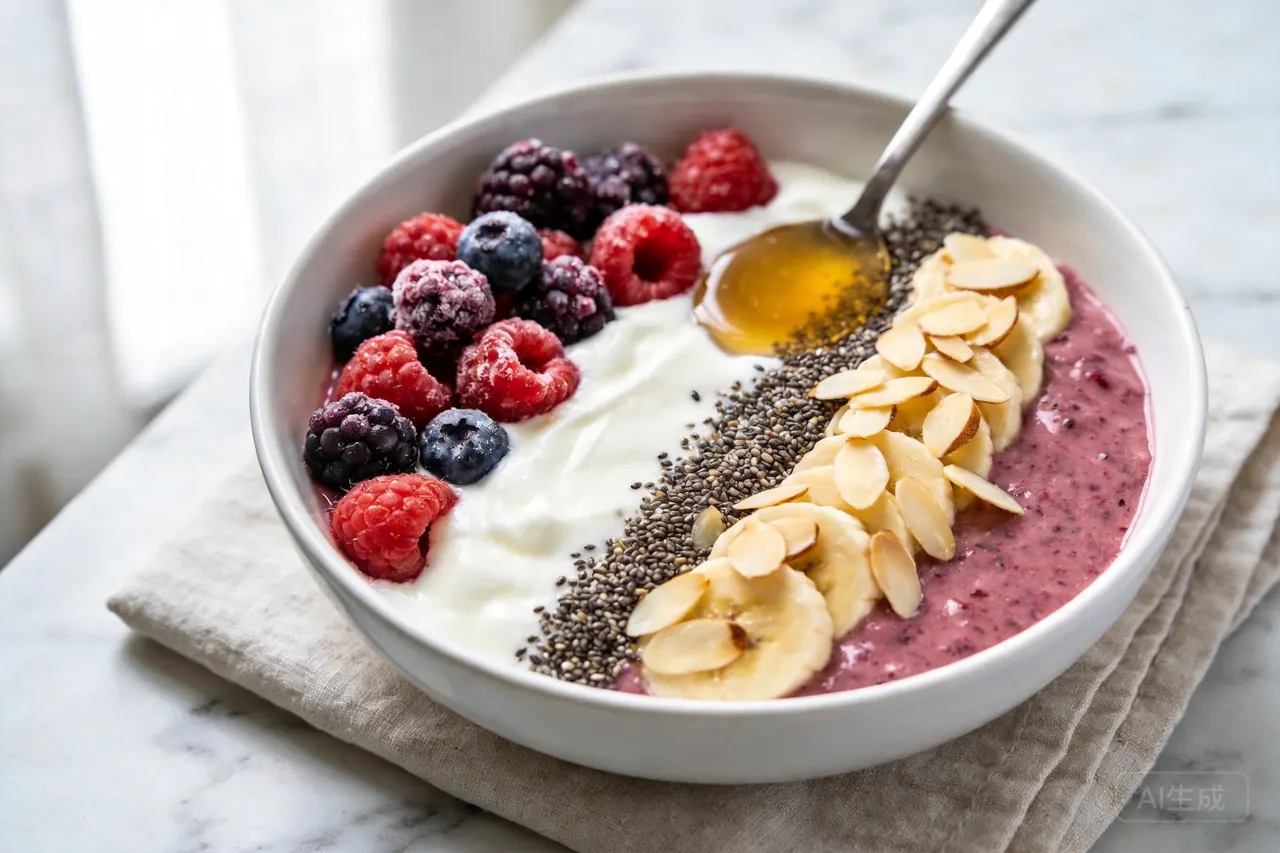
Protein Berry Smoothie Bowl
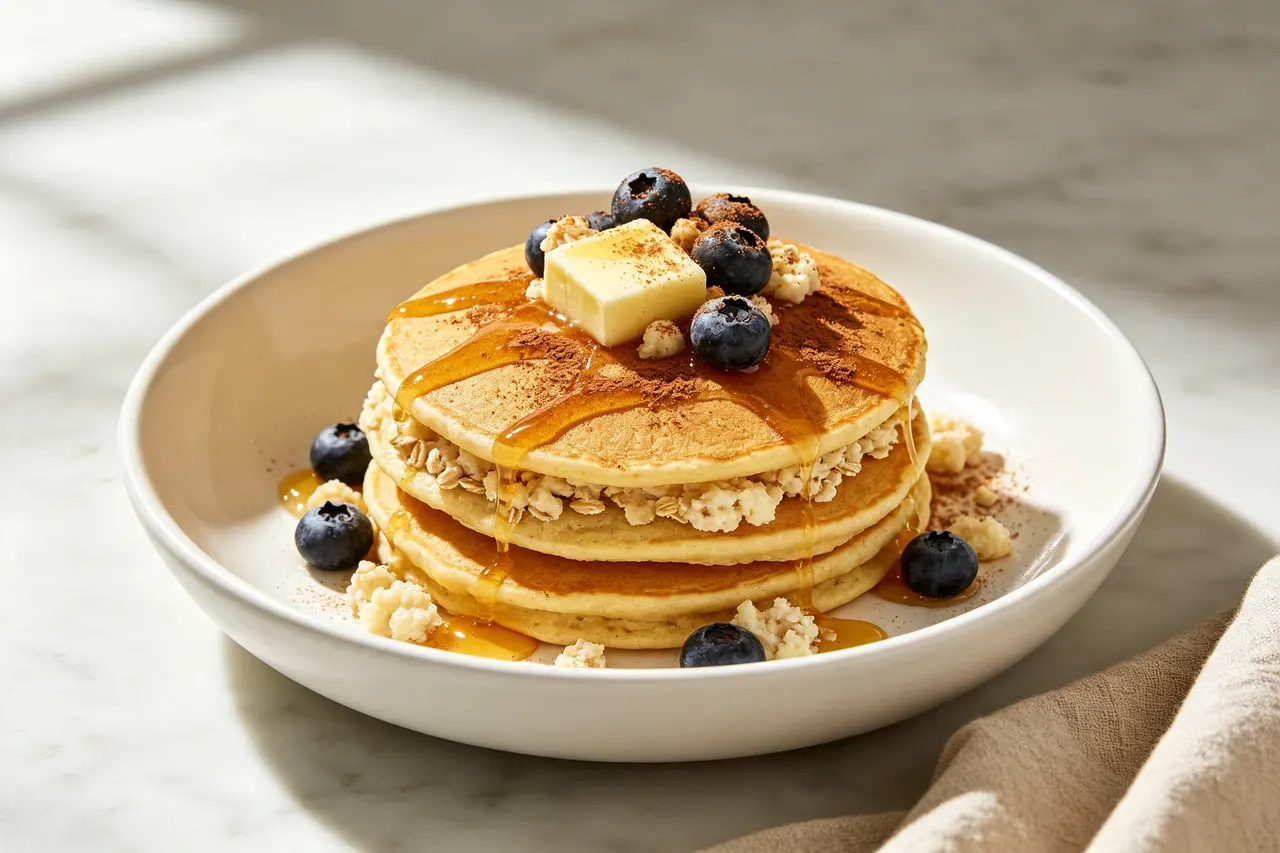
Cottage Cheese Protein Pancakes
Post-Workout Nutrition Tips
1. Eat protein within 30 minutes
Your muscles are most receptive to protein right after training. A fast-digesting source - whey, Greek yogurt, eggs, or lean meat - jump-starts repair.
2. Aim for 20-40g of protein
That is the sweet spot for maximizing muscle protein synthesis in one sitting. Less than 20g under-stimulates; much more than 40g is wasted in a single meal.
3. Don't skip the carbs
Carbs restock glycogen and help drive protein into your muscles. Rice, potatoes, oats, or fruit are all fair game - this is one meal where carbs earn their place.
4. Hydrate
You lose water and electrolytes through sweat. Drink water with your post-workout meal, and add a pinch of salt (or electrolytes) after long, sweaty sessions.
5. Avoid heavy fats right after
Fat slows digestion. A little is fine, but a greasy, high-fat meal delays the protein and carbs your muscles want quickly. Save rich, fatty meals for later in the day.
Cardio vs Strength Training: What to Eat After Each
"I run" and "I lift" call for different refueling. Here is how to match your post-workout meal to your session.
After strength training
weightlifting, resistance
- Focus:
- Protein for muscle repair
- Target:
- 20-40g protein, 20-40g carbs
- Ratio:
- Roughly 1:1 protein to carbs
- Best picks:
- Chicken + rice, Greek yogurt + fruit, protein shake + banana, turkey sandwich, eggs + toast
- Timing:
- Within 30-60 min
- Why:
- Resistance training creates micro-tears in muscle; protein repairs them. Carbs spike insulin which shuttles protein faster.
After cardio
running, cycling, HIIT
- Focus:
- Carbs for glycogen replenishment + moderate protein
- Target:
- 30-50g carbs, 15-20g protein
- Ratio:
- Roughly 2:1 or 3:1 carbs to protein
- Best picks:
- Oatmeal + berries + protein, banana + peanut butter, smoothie with fruit + protein powder, rice bowl + grilled chicken, sweet potato + Greek yogurt
- Timing:
- Within 30-60 min, more important after sessions over 60 min
- Why:
- Cardio depletes glycogen stores; carbs refill them. Protein prevents muscle breakdown.
After light exercise
walking, yoga, 20-min easy session
You probably don't need a specific post-workout meal - just eat your next regular meal.
Drink water. If hungry, a small snack (100-200 cal) is fine.
Frequently Asked Questions
What should I eat after a workout?
After a workout, eat a meal or snack that combines 20-40g of high-quality protein (for muscle repair) with a moderate amount of carbs (to restock glycogen). Aim for 300-500 calories and try to eat within 30-60 minutes of finishing. Good options include chicken and rice, Greek yogurt with fruit, or a protein smoothie.
How many calories should I eat post-workout?
For most people, a post-workout meal of 300-500 calories is ideal - enough to fuel recovery without erasing the calorie burn of the session. If you train hard or for over an hour, lean toward 400-500. Light workouts need closer to 300. Use our calorie gap calculator to fit your post-workout meal into your daily total.
Is protein powder necessary?
No. Protein powder is convenient - it is fast to mix, easy to digest right after training, and portable - but you can hit your protein target with whole foods like chicken, Greek yogurt, eggs, fish, or tofu. Powder is a tool, not a requirement. If whole-food meals leave you too full right after a workout, a shake is a sensible shortcut.
Can I eat carbs after a workout?
Yes - and you should. Carbs after training restock the glycogen your muscles burned and spike insulin slightly, which helps shuttle protein into muscle cells for repair. Rice, potatoes, oats, fruit, and whole grains are all good choices. Skip the carbs only if you are on a strict low-carb or keto plan.
How long after working out should I eat?
Aim to eat within 30-60 minutes of finishing your workout - the so-called "anabolic window." It is not as narrow as once believed, and total daily protein matters most, but eating in that first hour takes advantage of heightened nutrient uptake. If you cannot eat a full meal that soon, grab a quick protein source (yogurt, shake, milk) right after and follow with a meal within two hours.
Should I eat differently after cardio vs weightlifting?
Yes - cardio needs more carbs for glycogen, strength needs more protein for repair. See the Cardio vs Strength Training section above for target ratios and best picks for each.
What if I'm not hungry after working out?
A liquid option like a protein smoothie or chocolate milk is easier to get down. You can also wait 30-60 min until appetite returns, but try to eat within 2 hours so recovery does not stall.
Build a recovery meal plan
Match high-protein post-workout recipes to your training schedule and calorie target.
Build a Meal Plan ->