Honest Cost-per-Serving Guide
High-protein recipes ranked by protein-per-dollar, with a transparent cost method. No "under $5!" clickbait — we explain what the number means and what it does not.
How we estimate costs (and what we cannot guarantee)
Two cost layers you should know:
- Used-in-recipe cost: The cost of the exact portion of each ingredient this recipe consumes. This is the number shown on recipe pages as "Est. Cost."
- First-shop basket outlay: What you actually pay at checkout the first time you make this recipe — because you buy full packages, not partial scoops. A recipe with a $2.50 used-in-recipe cost might require a $12 basket if you don't already have any of the ingredients.
- Reuse credit: If you cook multiple recipes this week that share ingredients (e.g., chicken, rice, oil), the basket outlay gets divided across those meals. Our Weekly Meal Prep Planner shows which ingredients are reused across recipes.
Source: Prices reflect typical U.S. grocery store averages as of mid-2025, based on a combination of USDA food price data and major supermarket pricing. We default to store-brand products where available. Prices do not assume promotions or loyalty discounts.
What the per-serving number includes: The cost of all recipe ingredients for one serving. We account for the portion of a package you actually use, not the full package price.
What it does not include: Pantry staples you likely already have (salt, pepper, cooking spray). Sales tax. The gas to get to the store.
Update frequency: We review price data approximately every 6 months. Prices may shift due to inflation, supply chain changes, or seasonal availability between updates.
Why your number may differ: Food prices vary by region (Northeast vs South), store tier (discount vs premium), brand choice, bulk buying, and seasonal availability. A 10% swing in either direction is normal. Use these estimates as a comparison tool, not a price guarantee.
$3.18
Average cost per serving
9.0g
Average protein per $1
45
Recipes under $4/serving
Best protein-per-dollar staples
| Staple | Protein per serving | Protein per $1 |
|---|---|---|
| 🥚 Eggs (1 dozen) | 6g per egg | ~24g |
| 🐔 Chicken breast (1 lb) | 26g per 4oz | ~20g |
| 🐟 Canned tuna (5oz can) | 20g per can | ~16g |
| 🫘 Lentils (1 lb dry) | 9g per ½ cup cooked | ~14g |
| 🧀 Cottage cheese (16oz) | 14g per ½ cup | ~12g |
| 🫘 Black beans (1 lb dry) | 8g per ½ cup cooked | ~12g |
| 🥛 Greek yogurt (32oz) | 15g per serving | ~10g |
Prices are approximate U.S. averages, mid-2025. Your actual cost depends on region, store, and brand. Protein-per-dollar is calculated using the lower end of the price range.
Budget-friendly high-protein recipes
Ranked by protein per dollar — the most protein for your money comes first.
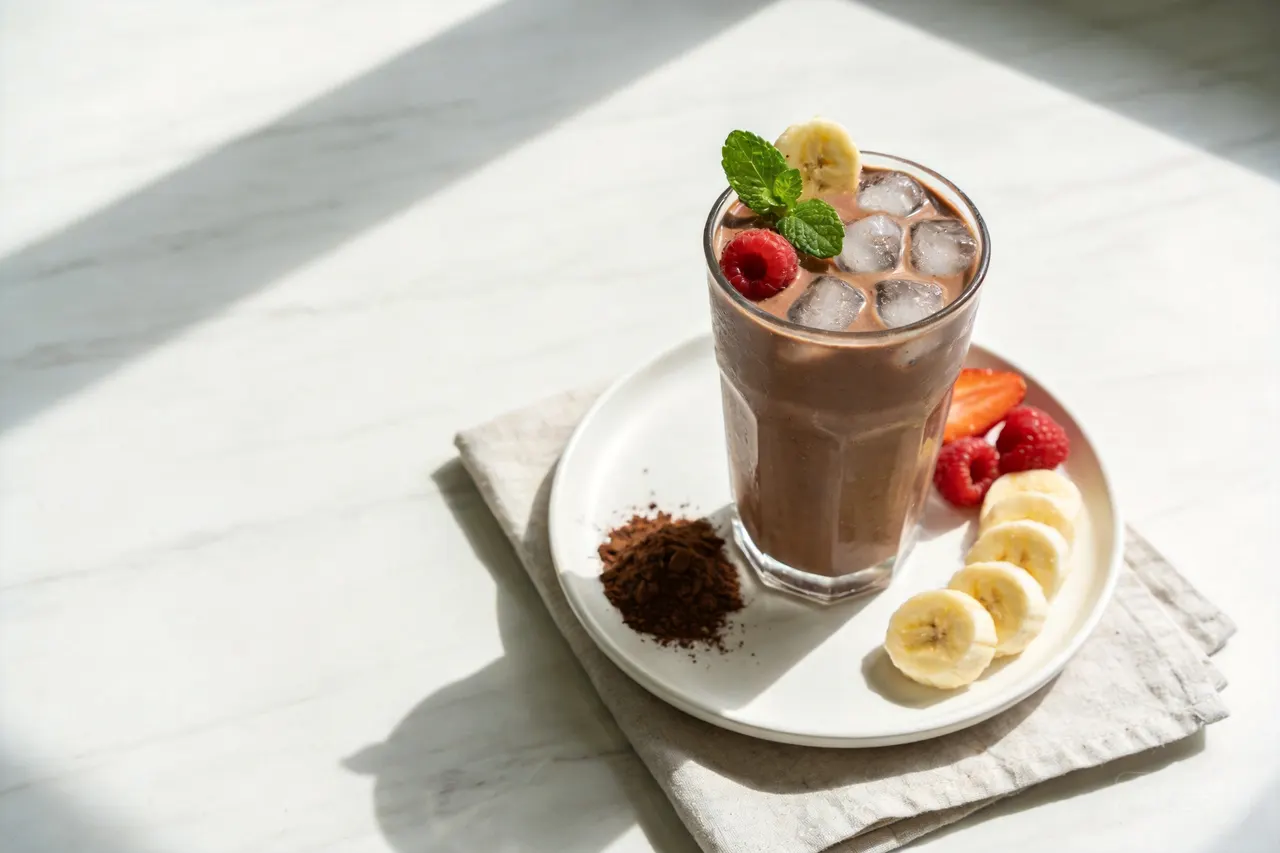
Chocolate Protein Shake
Rich and creamy chocolate protein shake with 30g protein. 220 calories, tastes like a milkshake but with a fraction of the calories.
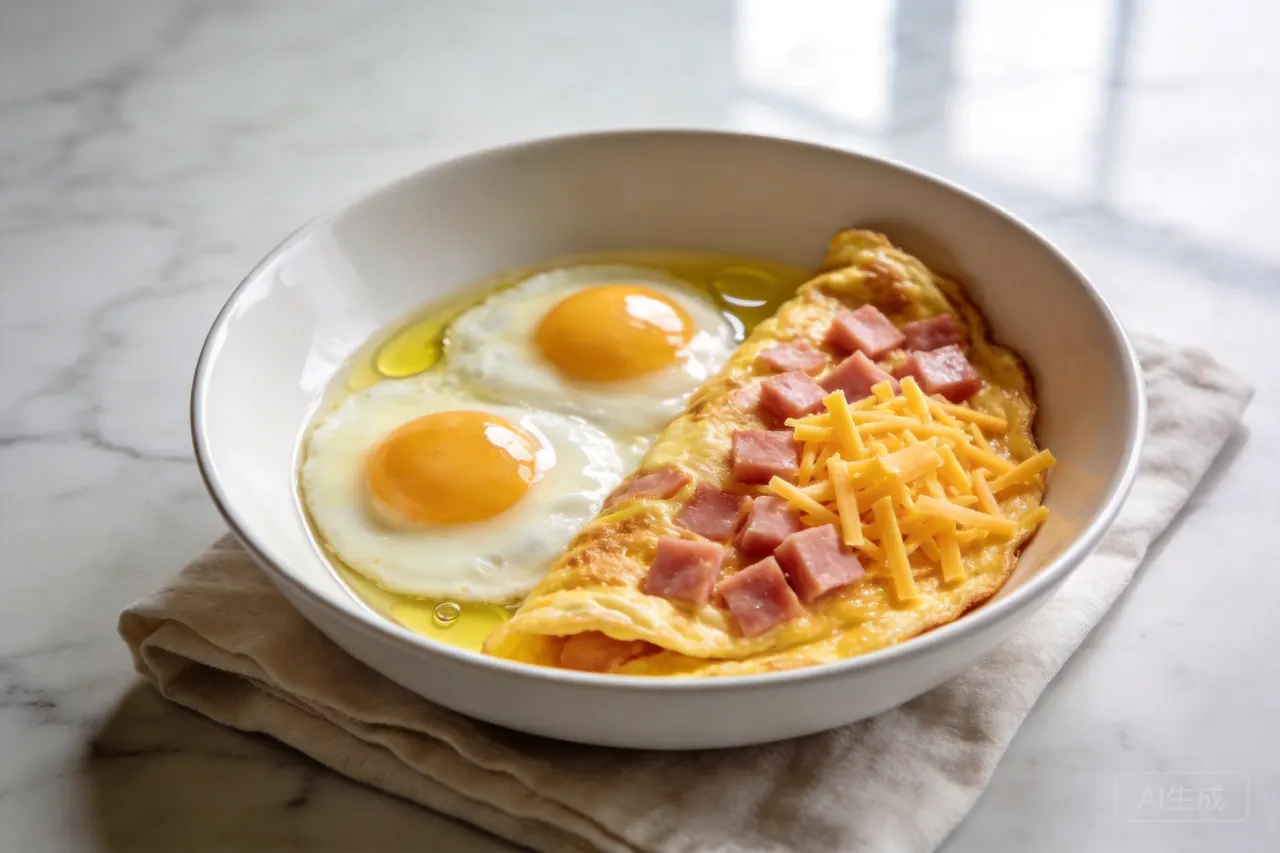
Ham and Cheese Omelette (340 Cal, 30g Protein)
High-protein ham and cheese omelette with 2 eggs + 2 egg whites. 340 calories, 30g protein, 4g carbs. Ready in 10 minutes. Keto-friendly, gluten-free breakfast.
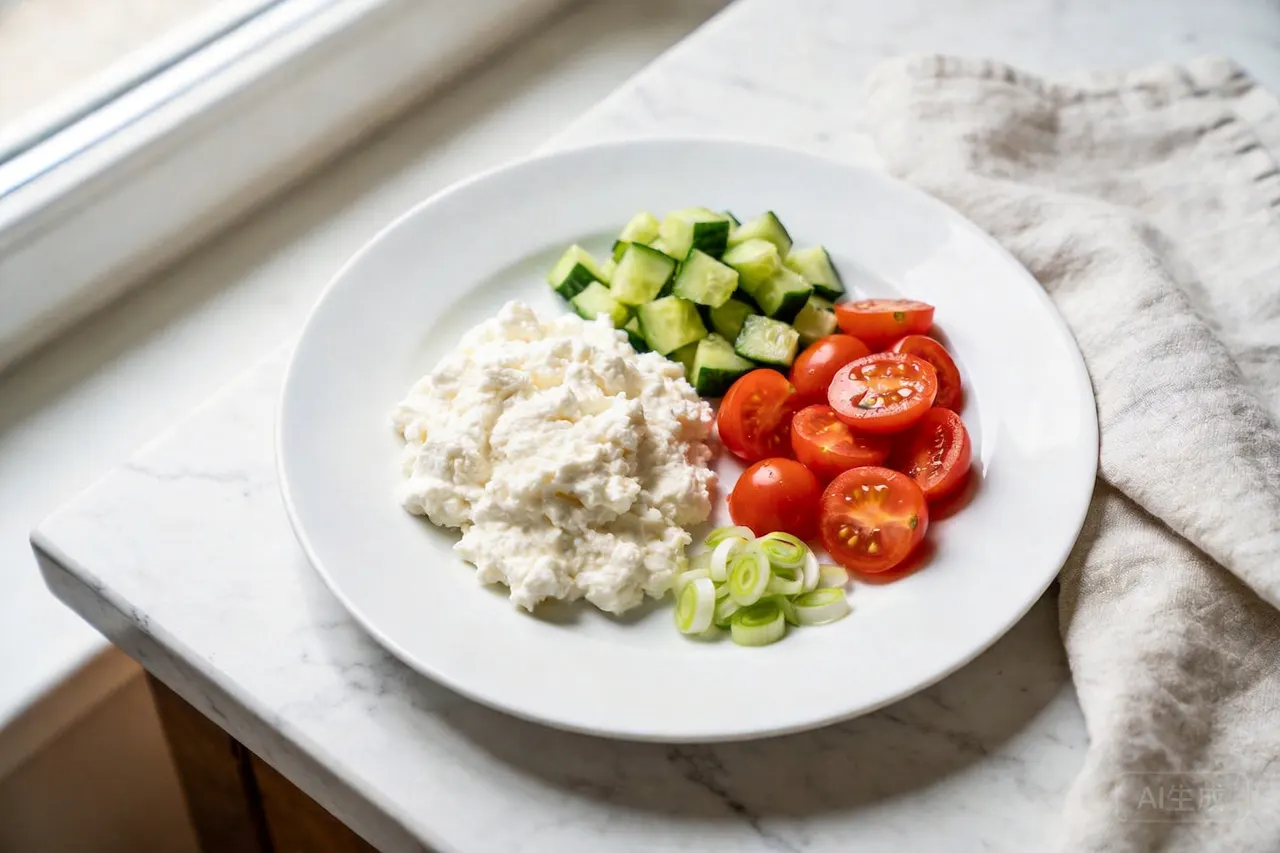
Cottage Cheese Cucumber Bowl
High-protein no-cook snack with cottage cheese, cucumber, and tomatoes. 180 calories, 20g protein.
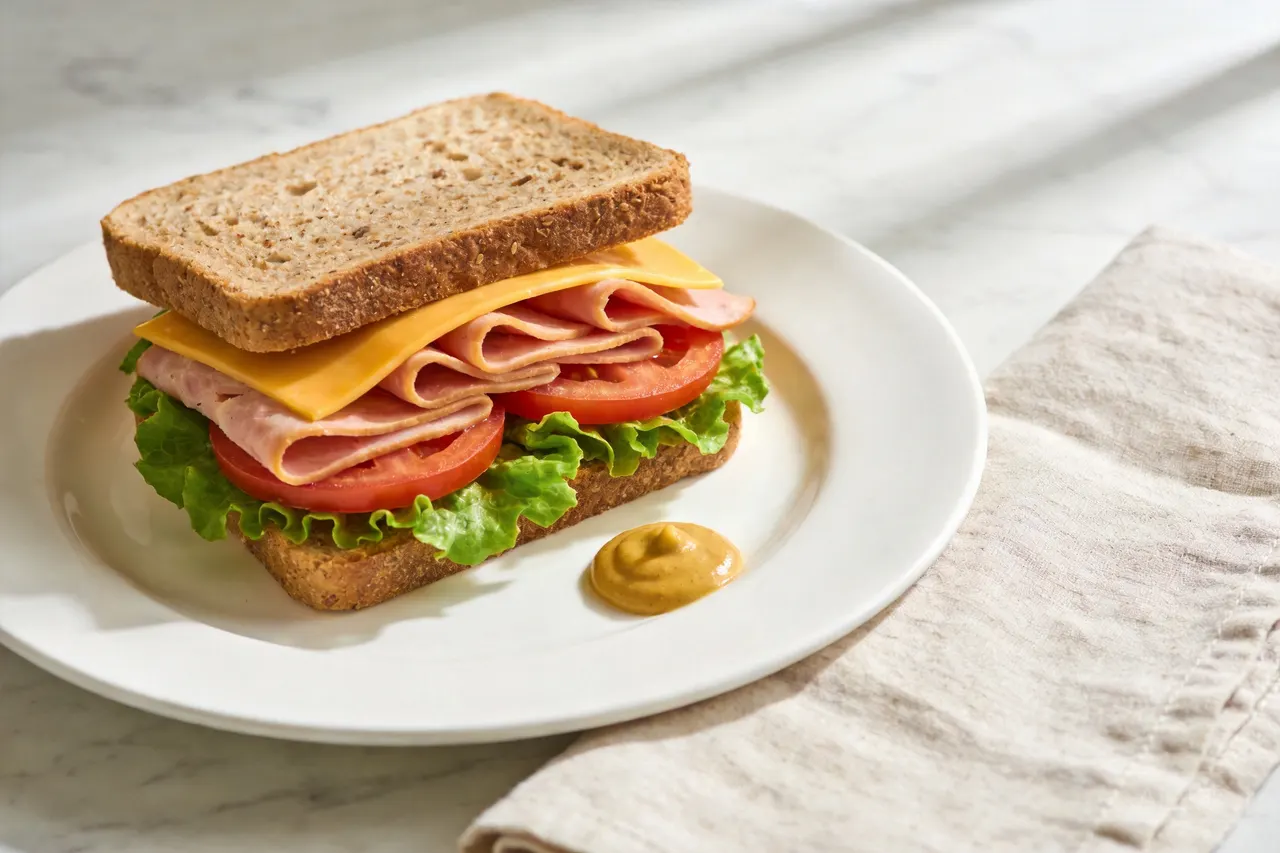
Turkey and Cheese Sandwich (390 Cal, 32g Protein)
Classic turkey sandwich with mustard on whole wheat — 390 calories, 32g protein, ready in 5 minutes. High-protein, no-cook lunch with deli turkey and cheddar.
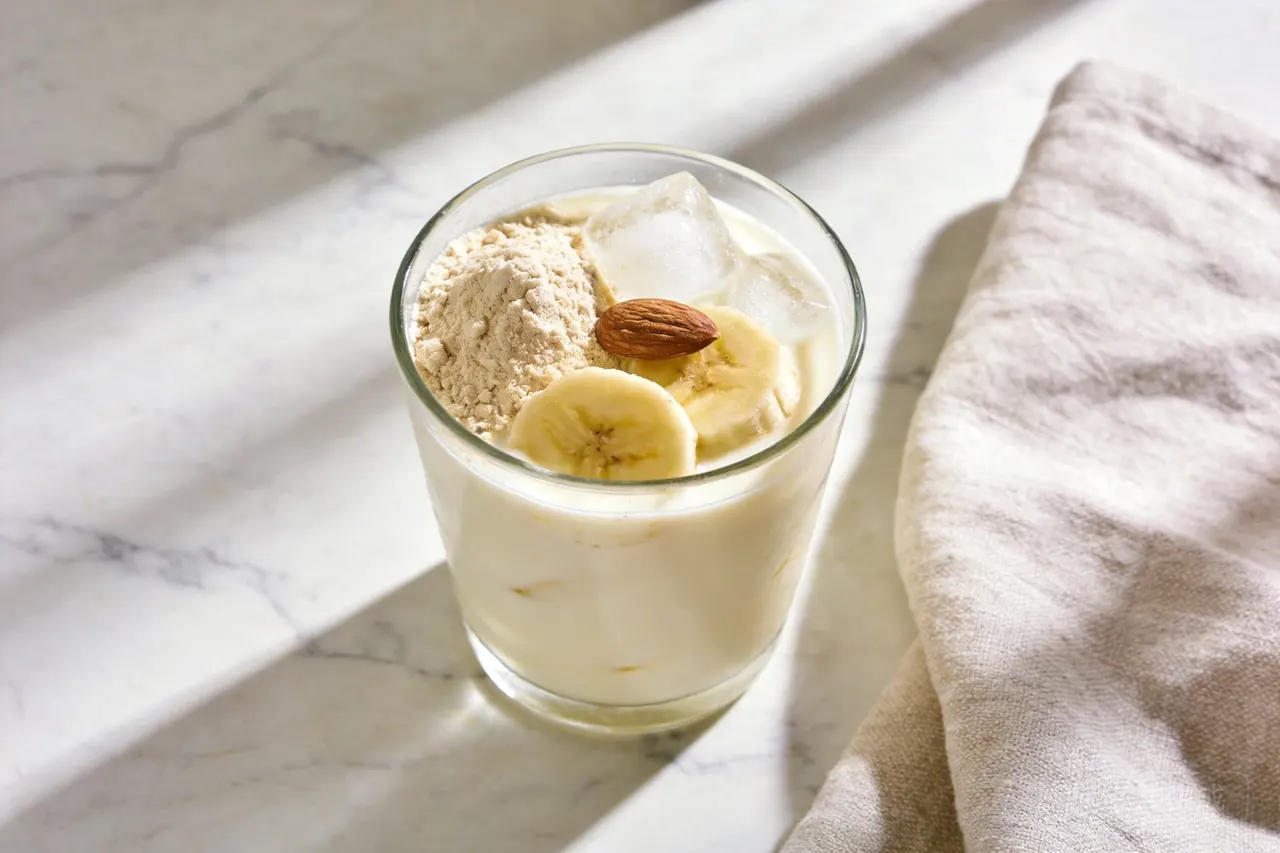
Vanilla Protein Shake
Creamy vanilla protein shake with almond milk and banana. 170 calories, 25g protein, perfect post-workout.
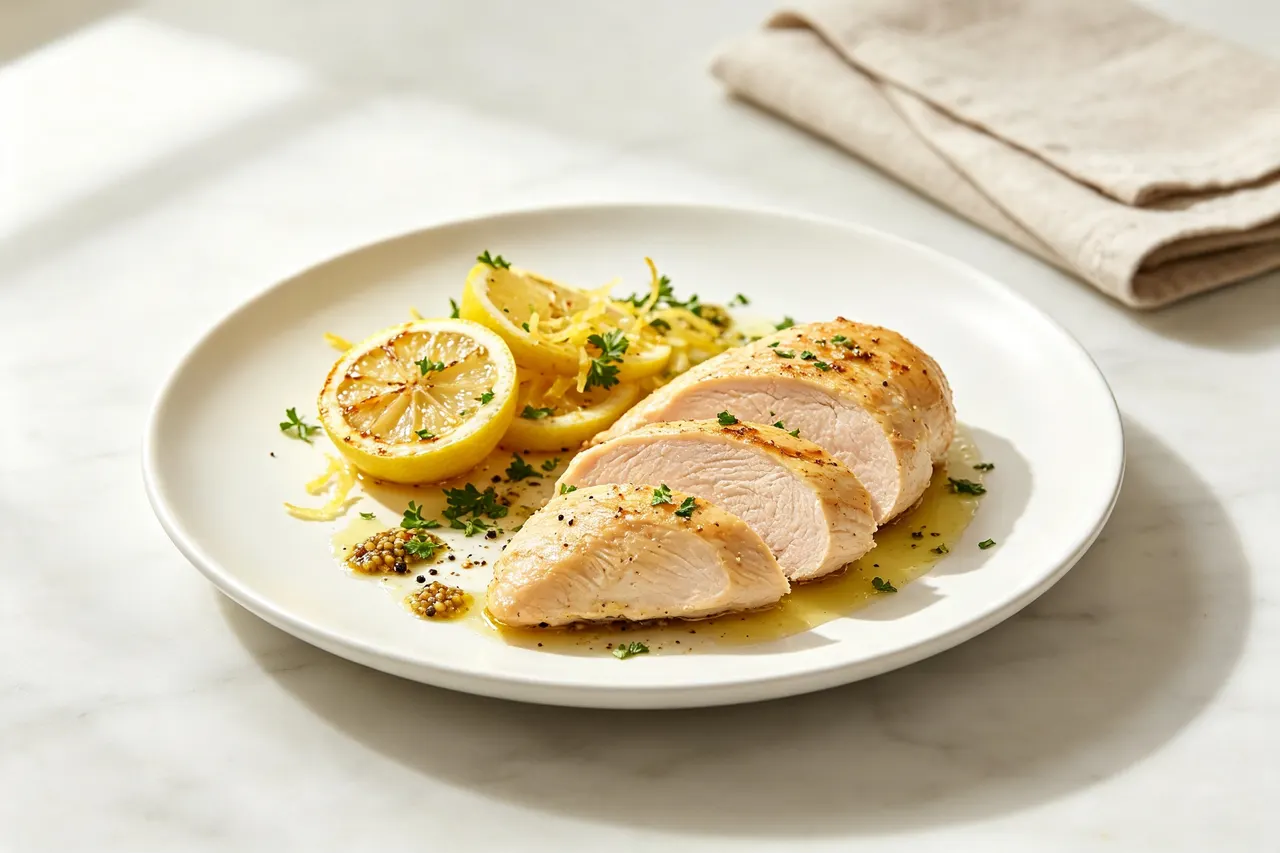
Air Fryer Chicken Breast
Juicy seasoned air fryer chicken breast. 280 calories, 42g protein, perfect meal-prep staple.
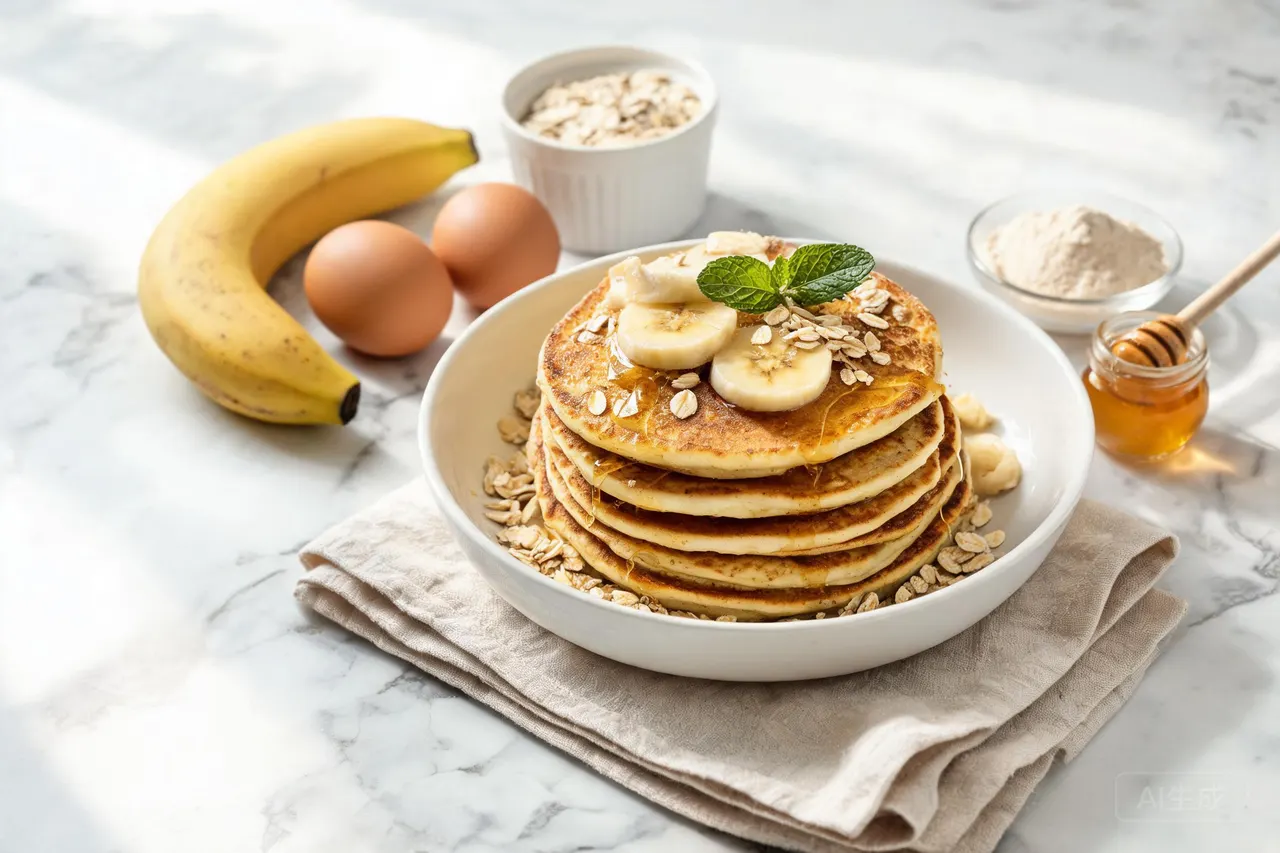
Banana Protein Pancakes
Fluffy pancakes made with mashed banana, eggs, and oats. 340 calories, 22g protein, no flour.
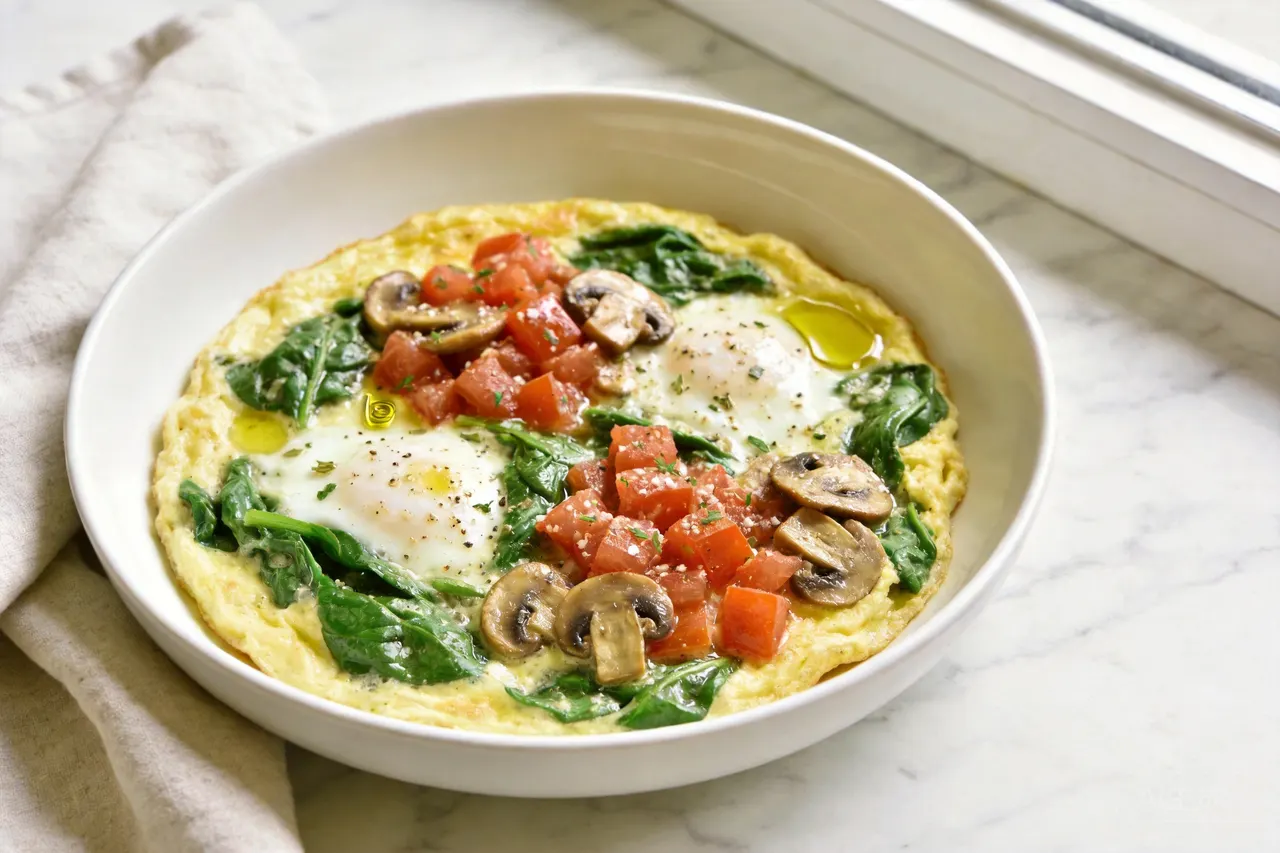
Veggie Egg White Omelette
A fluffy egg white omelette loaded with spinach, tomatoes, and mushrooms. High protein, low calorie, and ready in 10 minutes.
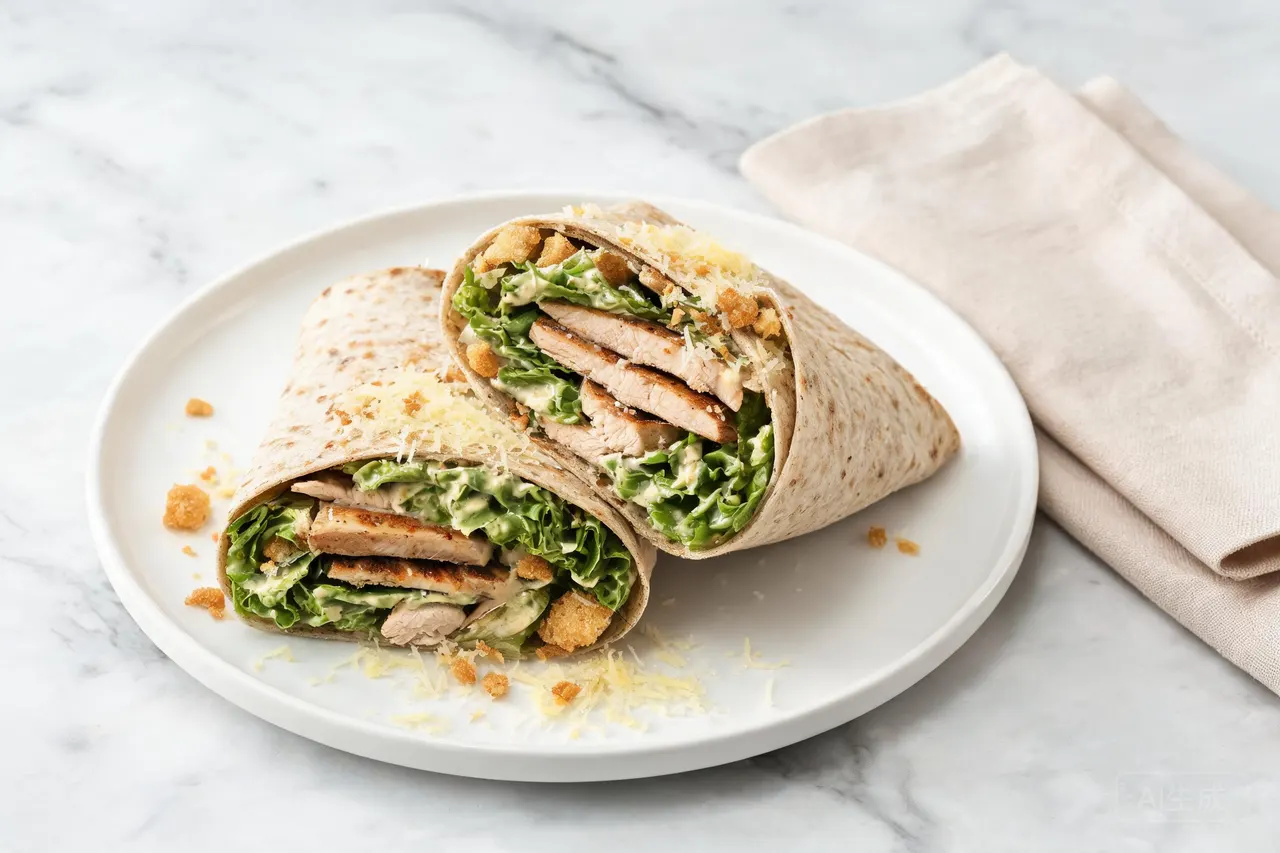
Chicken Caesar Wrap (430 Calories, 35g Protein)
This chicken Caesar wrap has 430 calories and 35g protein per serving. See the light dressing, portions, make-ahead tips, and full recipe.
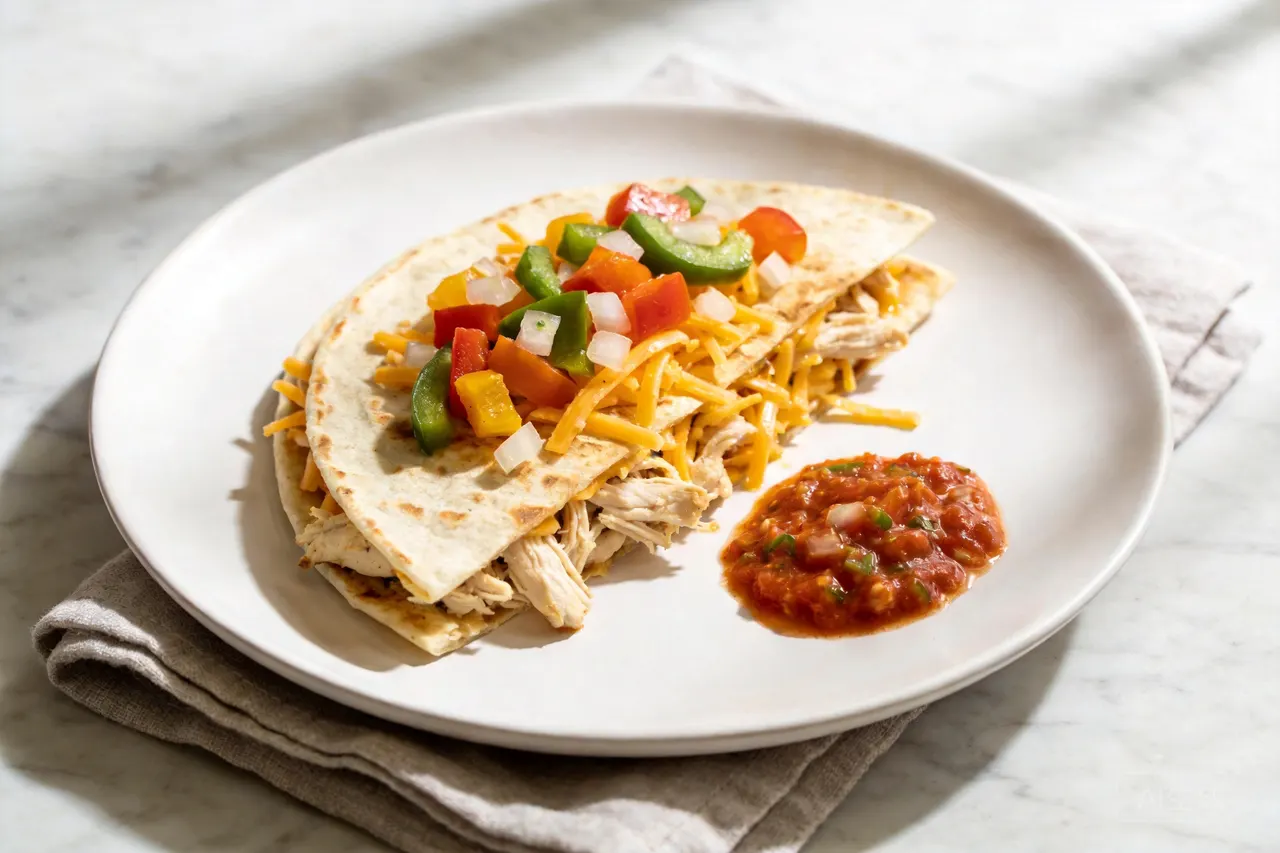
Chicken Quesadilla
Crispy quesadilla with grilled chicken, peppers, and cheese. 460 calories, 35g protein, quick and satisfying.
Frequently Asked Questions
How are cost estimates calculated?
Our per-serving cost estimates reflect the portion of each ingredient the recipe actually uses (used-in-recipe cost), based on typical U.S. grocery store prices as of mid-2025. This is different from the first-shop basket outlay — what you pay at checkout when buying full packages. Actual prices vary by region, store, brand, season, and whether items are on promotion. We default to store-brand products and review price data approximately every 6 months.
Why do costs vary so much?
Food prices depend on your location (urban vs rural), the store you shop at (discount vs premium), whether you buy in bulk, the brand you choose, and seasonal availability. A bag of rice in one city might cost half what it costs in another.
How can I eat high-protein on a budget?
Focus on high-protein-per-dollar staples: eggs, chicken breast, canned tuna, lentils, beans, cottage cheese, and Greek yogurt. These consistently deliver 15-30g of protein per dollar across most U.S. regions. The recipes above show how to turn them into full meals.
Build a budget shopping list
Pick 3 budget recipes and get a combined shopping list you can take to the store.
Open Quick Plan →