Low Calorie Middle Eastern Recipes
Herbaceous, lemony, and protein-packed - these low calorie Middle Eastern recipes lean on lentils, chickpeas, and grilled meats brightened with sumac, cumin, and parsley. Vegetables and legumes carry the dishes while olive oil is kept in check. All 10 recipes are sorted by protein so the highest-protein salads, soups, and skewers come first.
Why Middle Eastern Food Fits a Low-Calorie Diet
Middle Eastern cuisine is built on some of the most naturally weight-loss-friendly ingredients around: lentils, chickpeas, fresh herbs, tomatoes, cucumbers, and lean grilled meats. Its signature flavors come from cumin, sumac, za'atar, lemon, garlic, and parsley rather than from heavy fat or sugar, so dishes stay bright and satisfying at low calorie counts. Generous vegetable salads like tabbouleh and fattoush, and broth-based lentil soups, are filling for very few calories. The main calorie trap is olive oil, which is healthy but dense - measuring it instead of free-pouring, and baking falafel instead of frying, keeps most plates under 500 calories.
Top Middle Eastern Recipes by Protein
Ranked by total protein - the highest-protein low-calorie Middle Eastern dishes first.
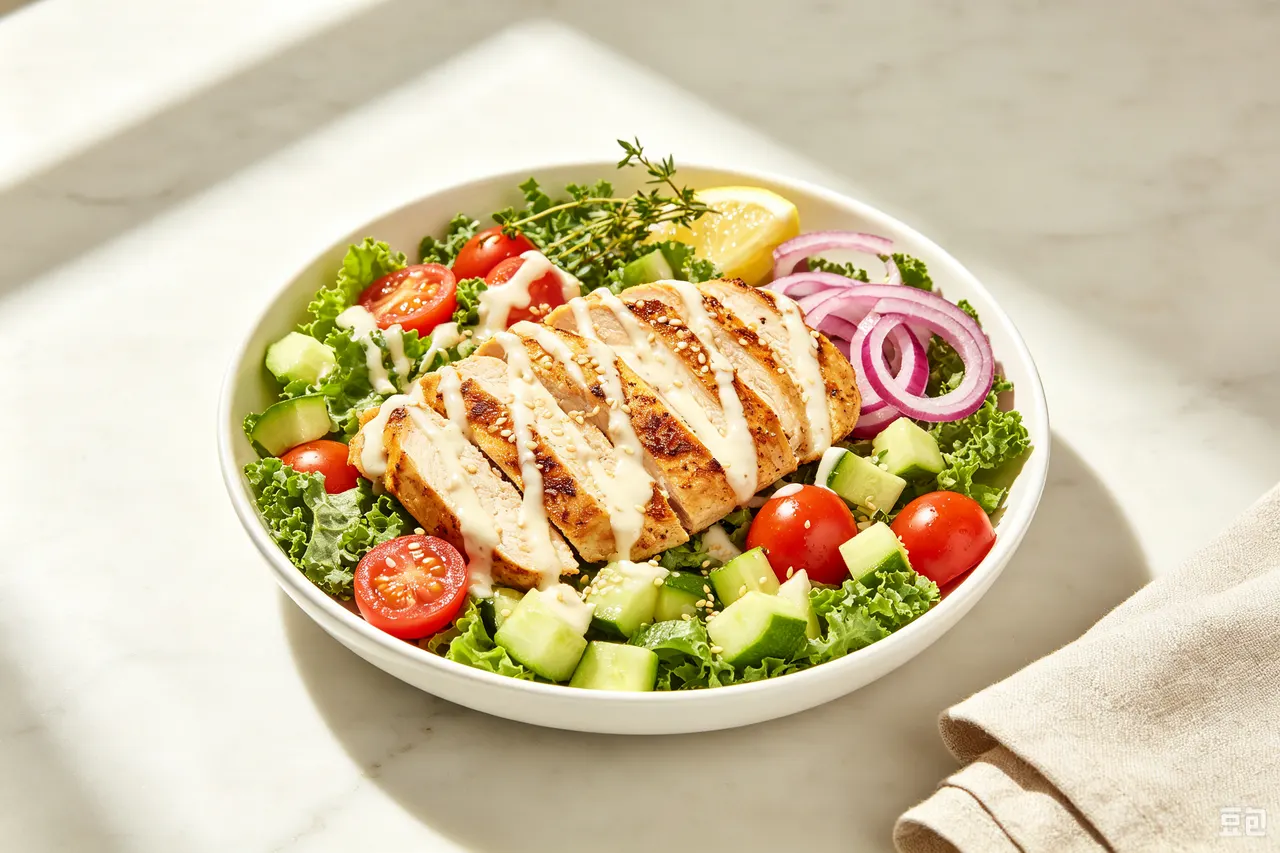
Chicken Shawarma Bowl
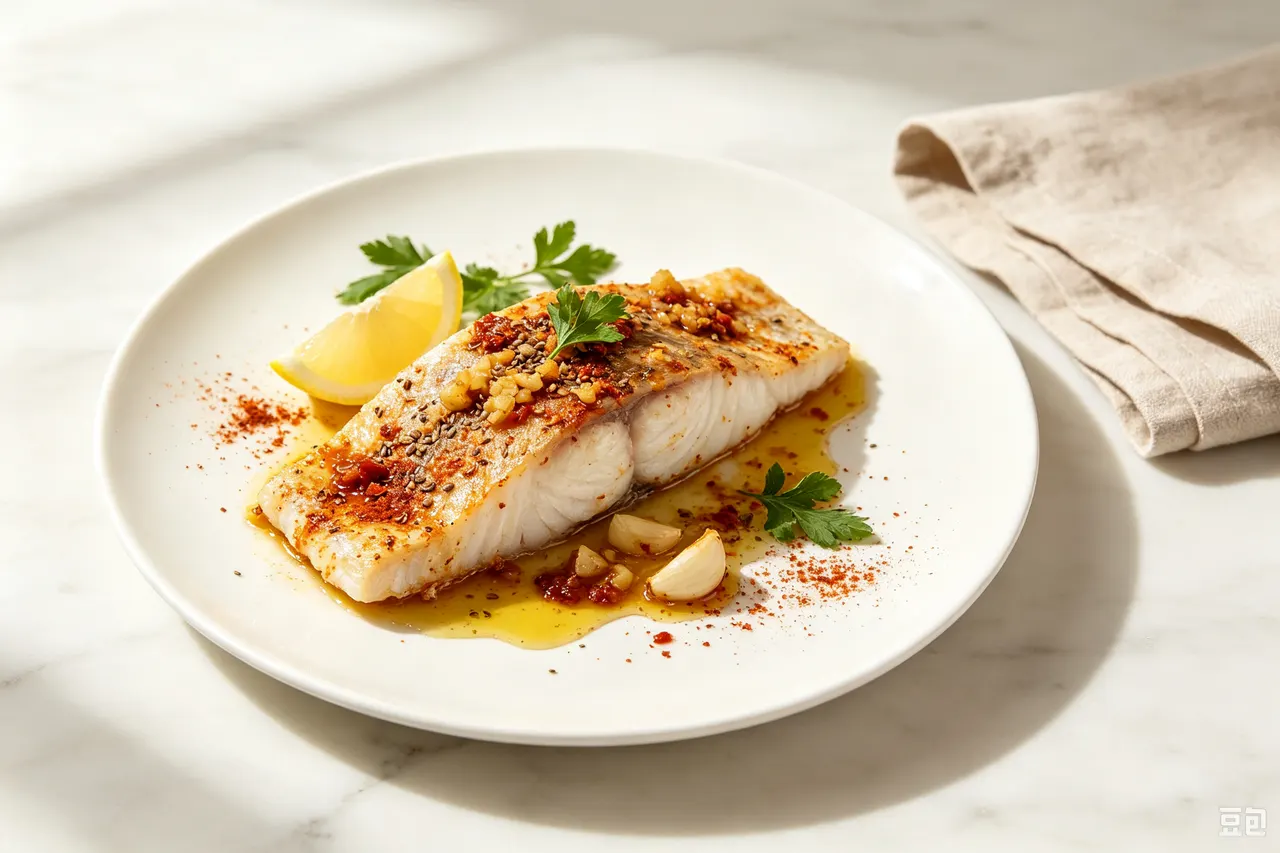
Middle Eastern Spiced Cod with Cumin and Paprika
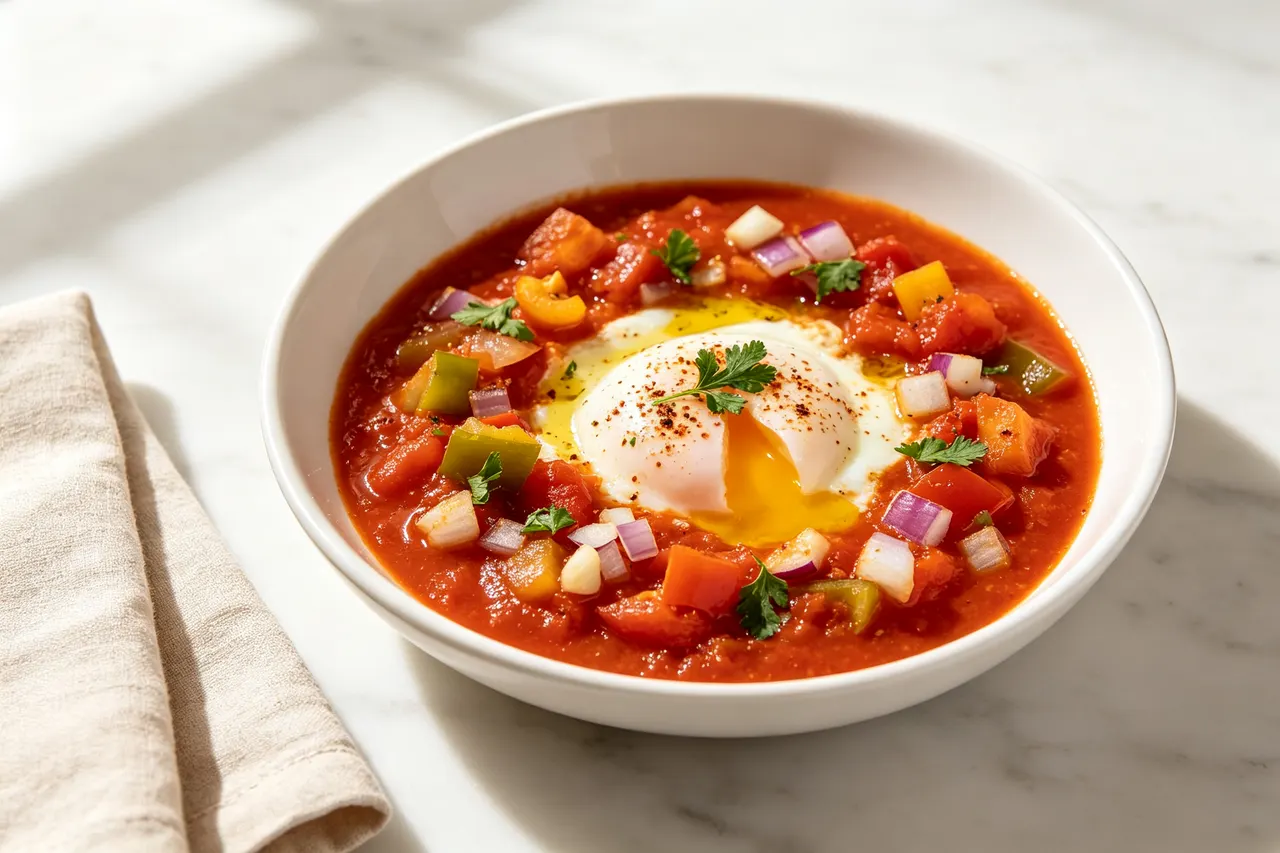
Shakshuka (Middle Eastern Eggs in Spiced Tomato)
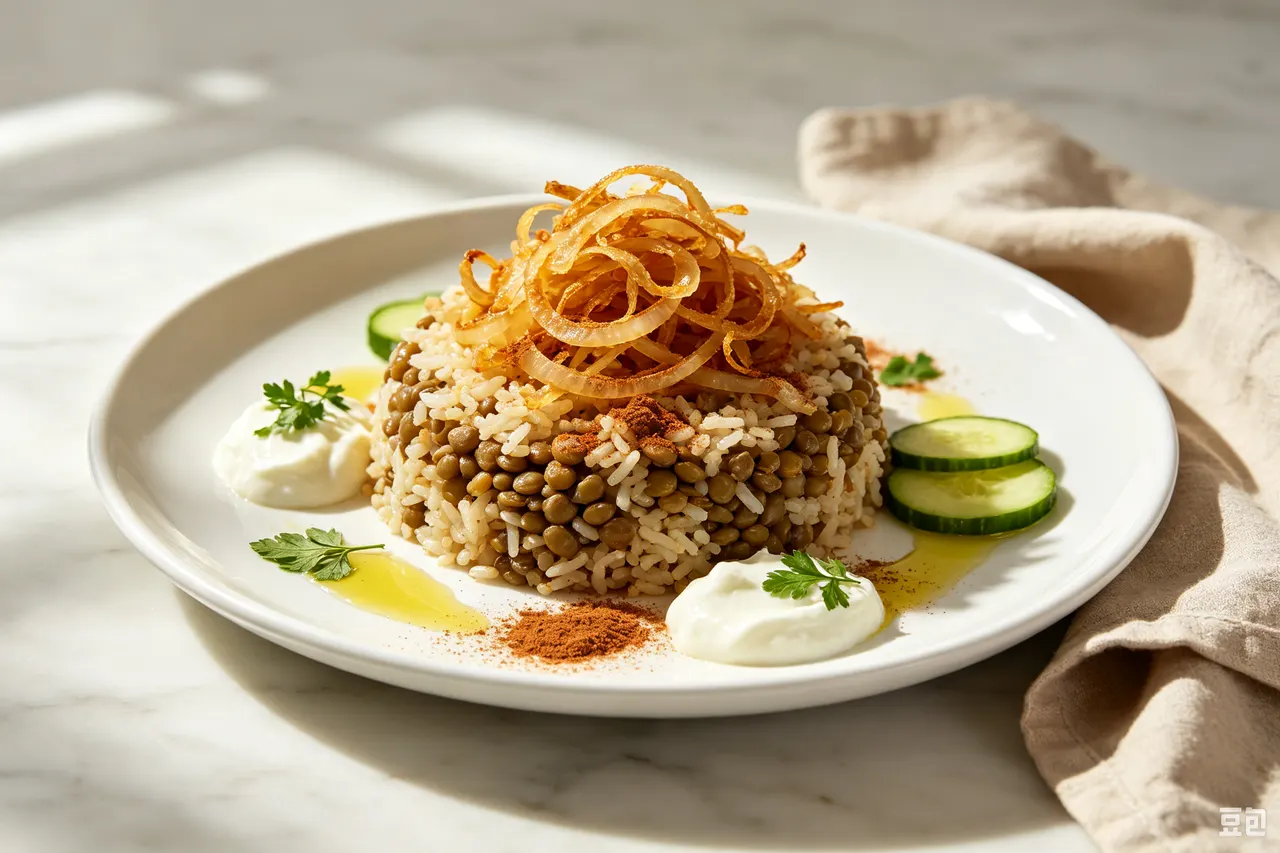
Mujaddara (Lentils, Rice, and Crispy Onions)
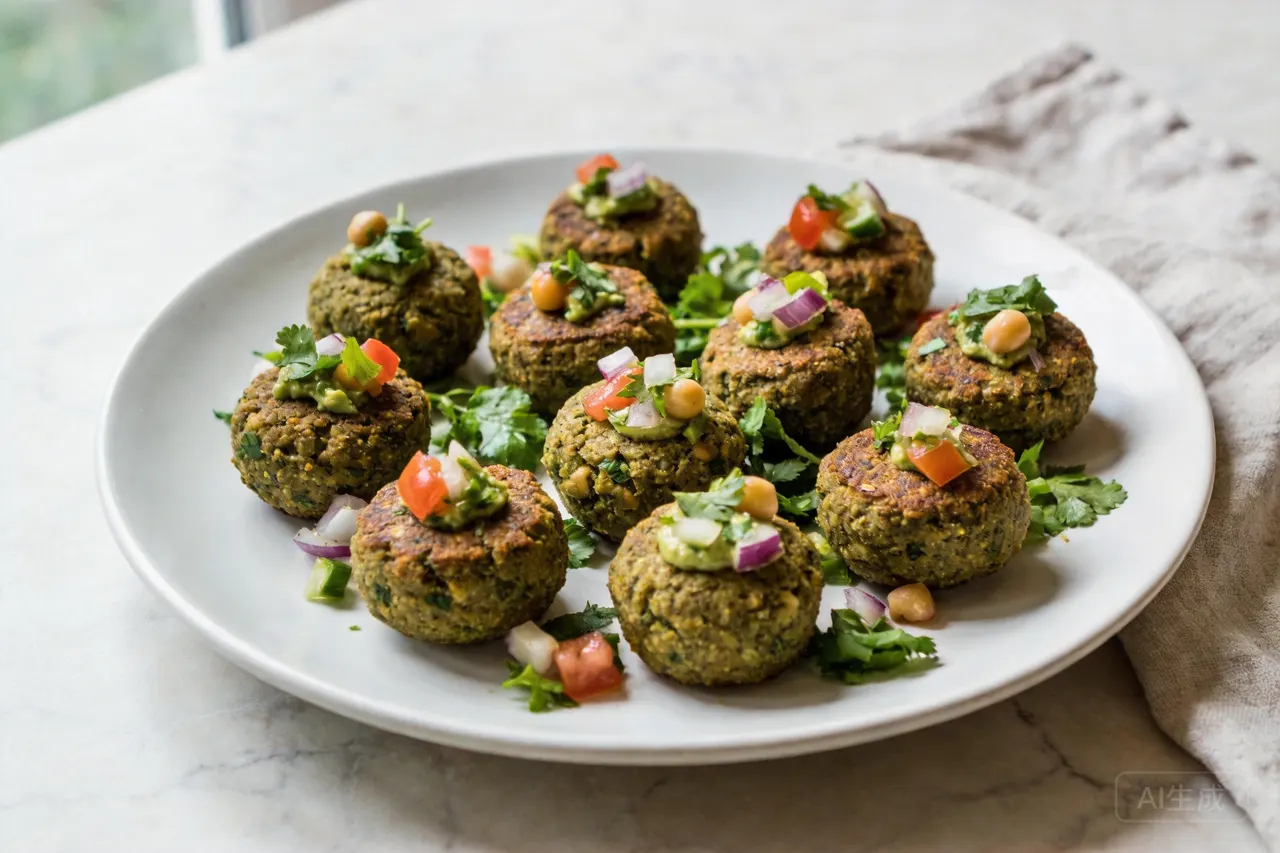
Baked Falafel
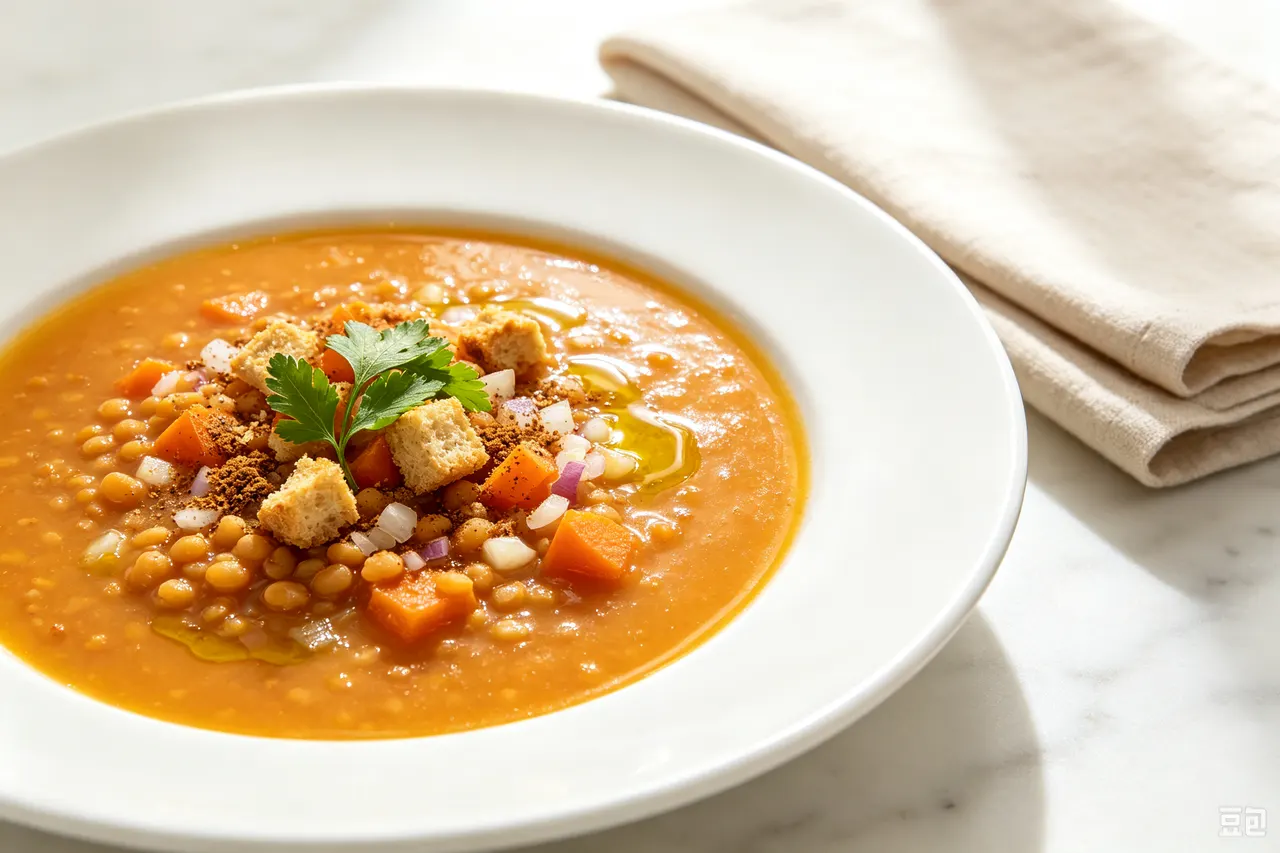
Lebanese Lentil Soup (Shorbat Adas)
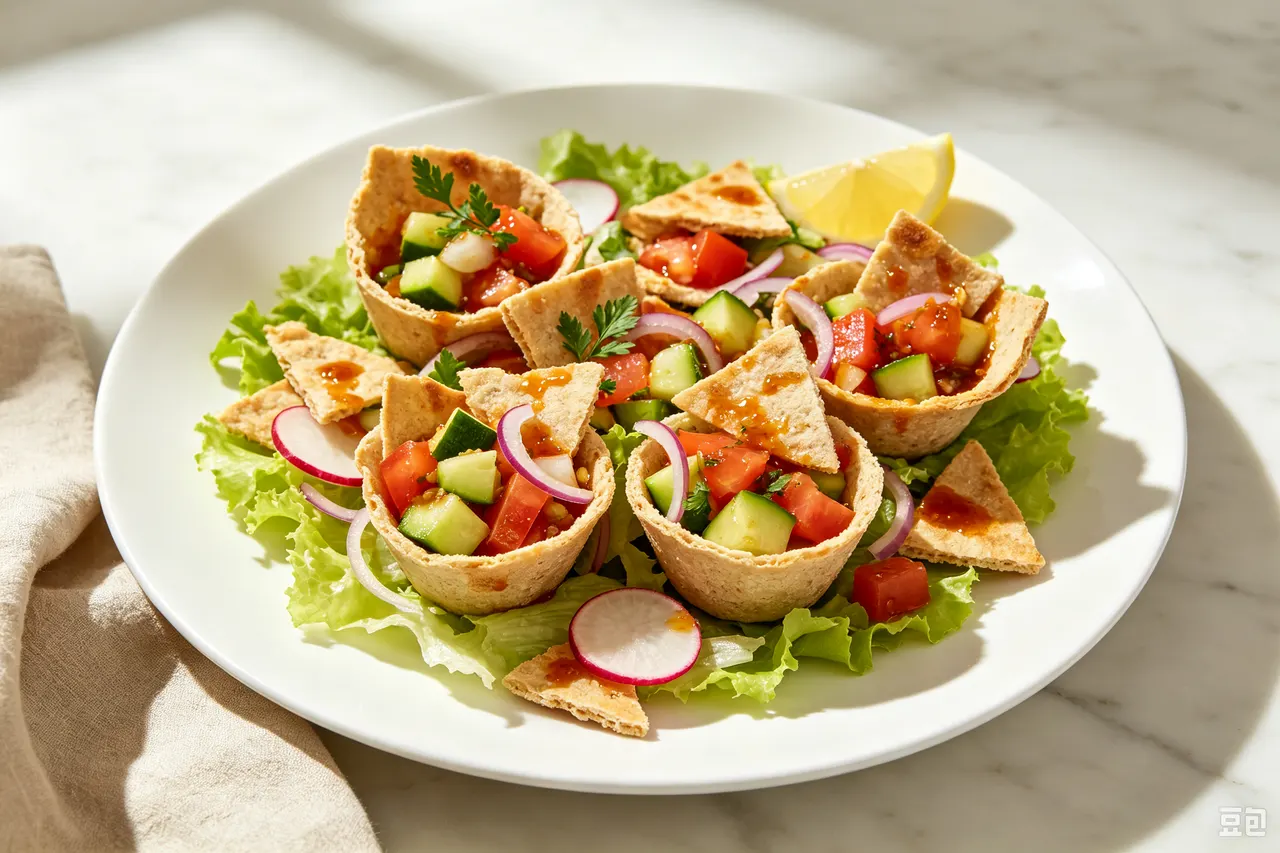
Fattoush Salad with Sumac Dressing
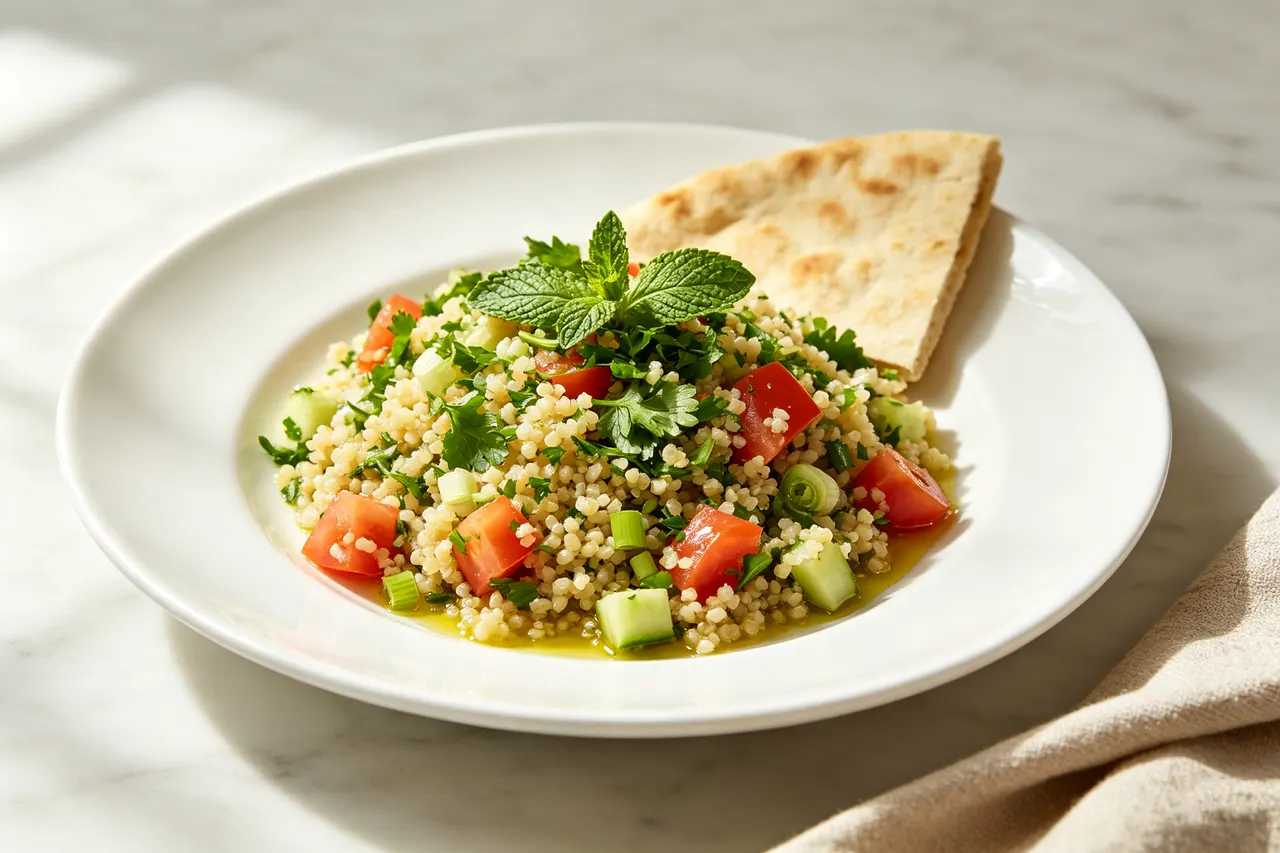
Tabbouleh (Lebanese Parsley Bulgur Salad)
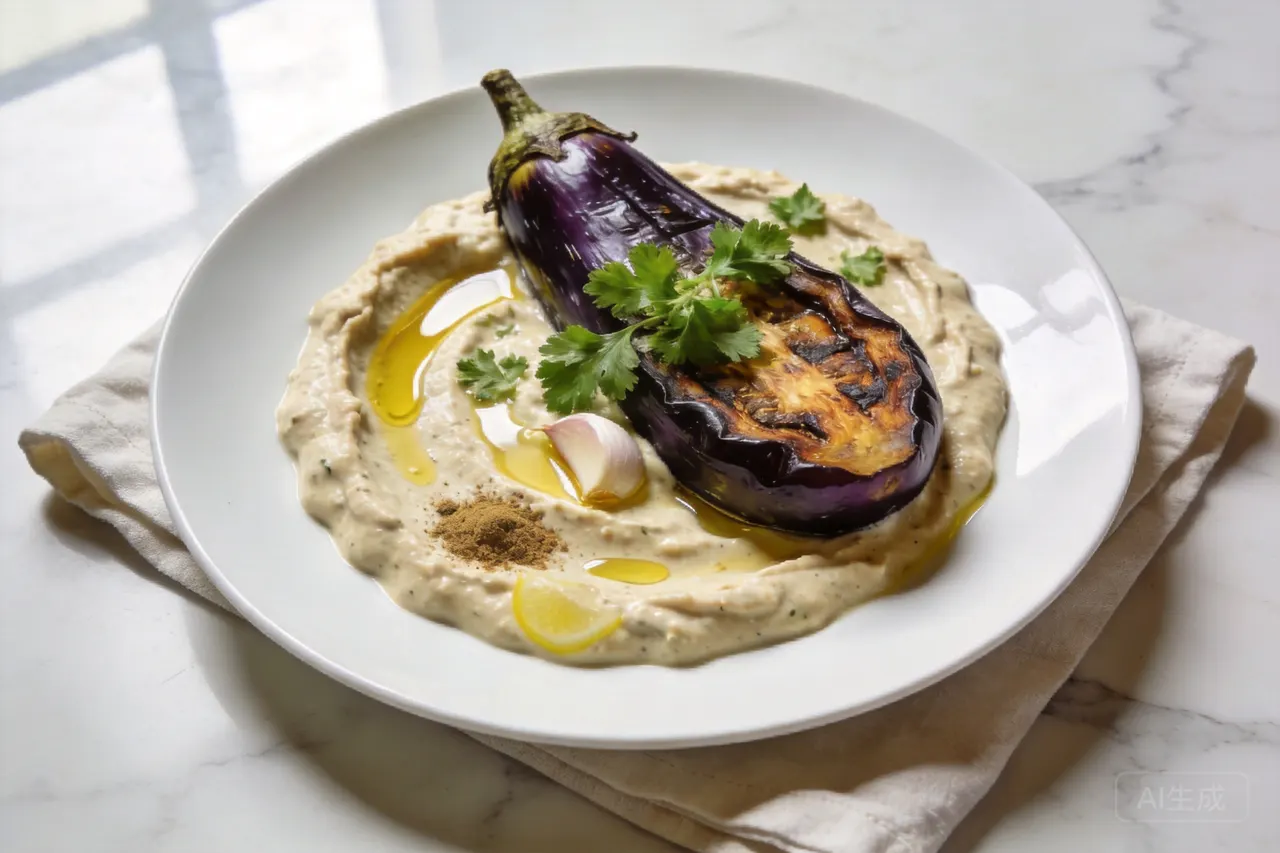
Baba Ganoush (Smoky Eggplant Dip)
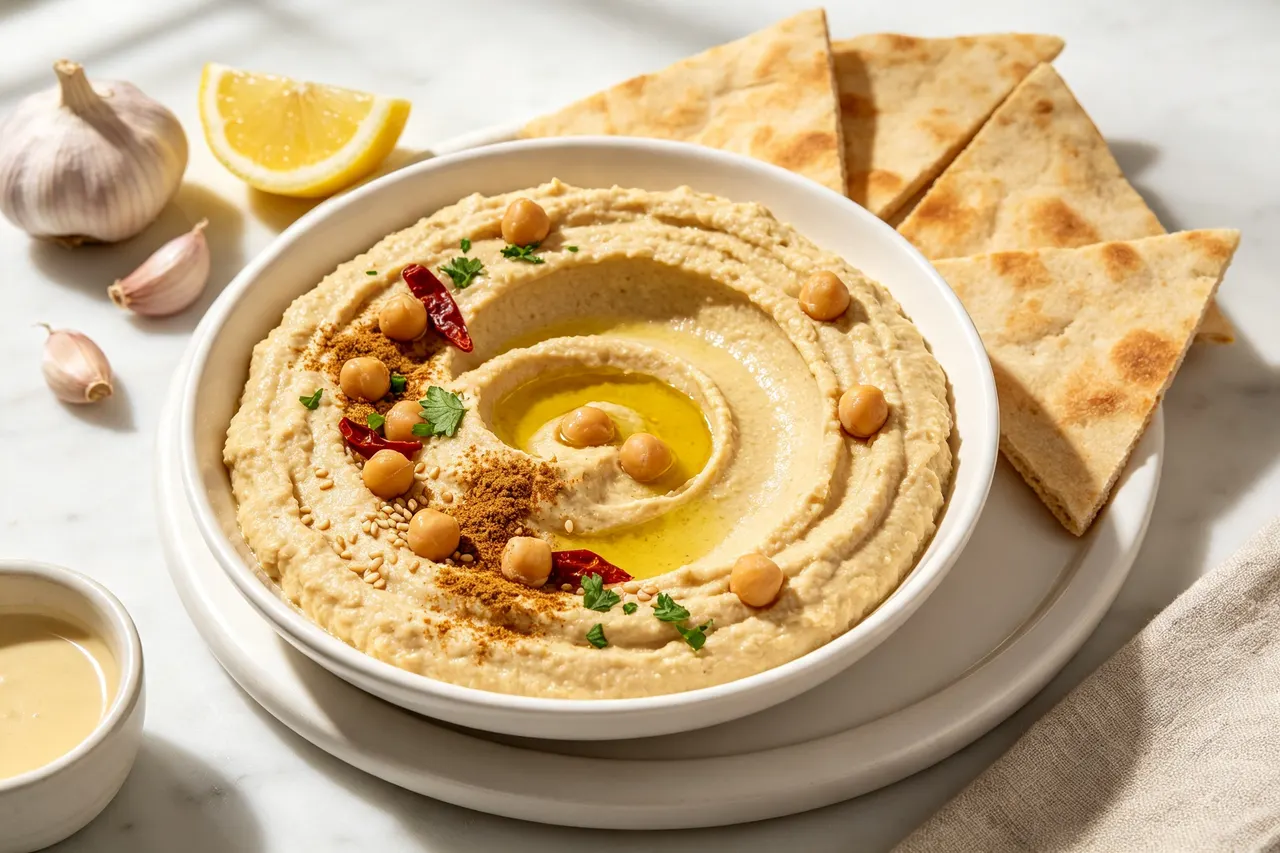
Classic Hummus
What to Look for in Low-Calorie Middle Eastern Recipes
The best low-calorie Middle Eastern recipes lean on lentils, chickpeas, fresh herbs, and lean grilled meats brightened with lemon, cumin, sumac, and za'atar. Look for tabbouleh, fattoush, lentil soup (shorbat adas), grilled shish tawook, and baked falafel - dishes where vegetables and legumes carry the meal. The main calorie trap is olive oil, which is healthy but dense, so favor recipes that measure it rather than free-pour, and choose baked over fried falafel.
Watch the starch ratio too. Bowls and plates built with extra vegetables and a moderate portion of rice or bulgur stay lighter than those dominated by bread or pita. A high protein-per-100-calorie score on each card flags the highest-protein salads, soups, and skewers, and leaning on spice blends like sumac and za'atar is one of the easiest ways to add huge flavor for almost no calories.
Tips for Cooking Middle Eastern Food at Home
- Measure olive oil with a spoon - a tablespoon is 120 calories and disappears fast in dressings.
- Bake or air-fry falafel instead of deep-frying for the same crisp with far less oil.
- Keep sumac, za'atar, and cumin on hand for big, near-zero-calorie flavor.
- Build bowls with extra vegetables and less rice, and lean on herbs for volume.
- Use a light hand with hummus and tahini sauces - portion them rather than spooning freely.
Frequently Asked Questions
Are Middle Eastern recipes good for a low-calorie diet?
Yes. Middle Eastern cooking leans on lentils, chickpeas, vegetables, lean grilled meats, and herbs seasoned with cumin, sumac, lemon, and garlic - all naturally light. The calorie traps are generous olive oil and fried falafel, which are easy to measure out or bake.
Is hummus low in calories?
In moderation. Hummus is about 70-80 calories per two-tablespoon serving. It is nutrient-dense and satisfying, but the calories add up fast since it is oil- and tahini-based, so portion control matters on a low-calorie plan.
What are the lowest calorie Middle Eastern foods?
Tabbouleh (parsley and bulgur salad), fattoush, lentil soup (shorbat adas), grilled shish tawook, and fresh cucumber-tomato salads. These lean on herbs, lemon, and vegetables for flavor instead of fat.
How do I make Middle Eastern food lower in calories?
Measure olive oil instead of free-pouring, bake falafel instead of frying, build bowls with extra vegetables and less rice, and choose grilled lean meats over richer stews. Spices like sumac and zaatar add huge flavor for almost no calories.
Is falafel healthy?
Falafel is made from fiber- and protein-rich chickpeas or fava beans, so it is nutritious and filling - but traditionally it is deep-fried, which can push a serving to 300-400 calories. Baking or air-frying the patties with a light spray of oil cuts that dramatically while keeping the crisp exterior, making baked falafel a genuinely good low-calorie plant protein.
Is tabbouleh good for weight loss?
Yes. Tabbouleh is mostly parsley, tomato, cucumber, mint, and lemon with a small amount of bulgur, so it is light, fiber-rich, and refreshing - often 120-180 calories per cup. The calorie trap is the olive oil in the dressing; measure it and tabbouleh becomes a high-volume, low-calorie side that pairs perfectly with lean grilled meats.
Is shawarma low in calories?
It depends on the cut and the sauce. Chicken or turkey shawarma marinated in yogurt and spices is relatively lean - around 200-300 calories for a generous portion of meat. The calories climb with the garlic sauce (toum), which is oil-based, and the wrap and fries. Skip the toum or use a light yogurt sauce, load in pickles and vegetables, and a shawarma bowl stays comfortably light.
Related Recipes and Tools
Build a low-calorie Middle Eastern meal plan
Tell us what's in your kitchen and we'll match these Middle Eastern recipes to your ingredients and calorie target.
Build a Meal Plan ->