Low Calorie Korean Recipes
Spicy, savory, and vegetable-forward - these low calorie Korean recipes lean on kimchi, garlic, gochugaru, and soy for bold umami with few calories. Lean grilled meats and fermented vegetables carry the flavor while rice is kept in check. All 8 recipes are sorted by protein so the highest-protein bowls, stews, and barbecues come first.
Why Korean Food Fits a Low-Calorie Diet
Korean cuisine is one of the most vegetable- and fermentation-rich in the world. Banchan (small sides) and main dishes alike are built around seasoned vegetables, lean grilled meats, and broth- or kimchi-based stews flavored with garlic, gochugaru, soy, and ginger - all low-calorie powerhouses. Fermented kimchi adds tang, heat, and gut-friendly benefits for almost no calories, while lettuce wraps (ssam) replace heavy carbs. The calorie traps are sugar-laden marinades, generous sesame oil, and fried snacks, which are simple to lighten. Done that way, most Korean plates stay well under 500 calories.
Top Korean Recipes by Protein
Ranked by total protein - the highest-protein low-calorie Korean dishes first.
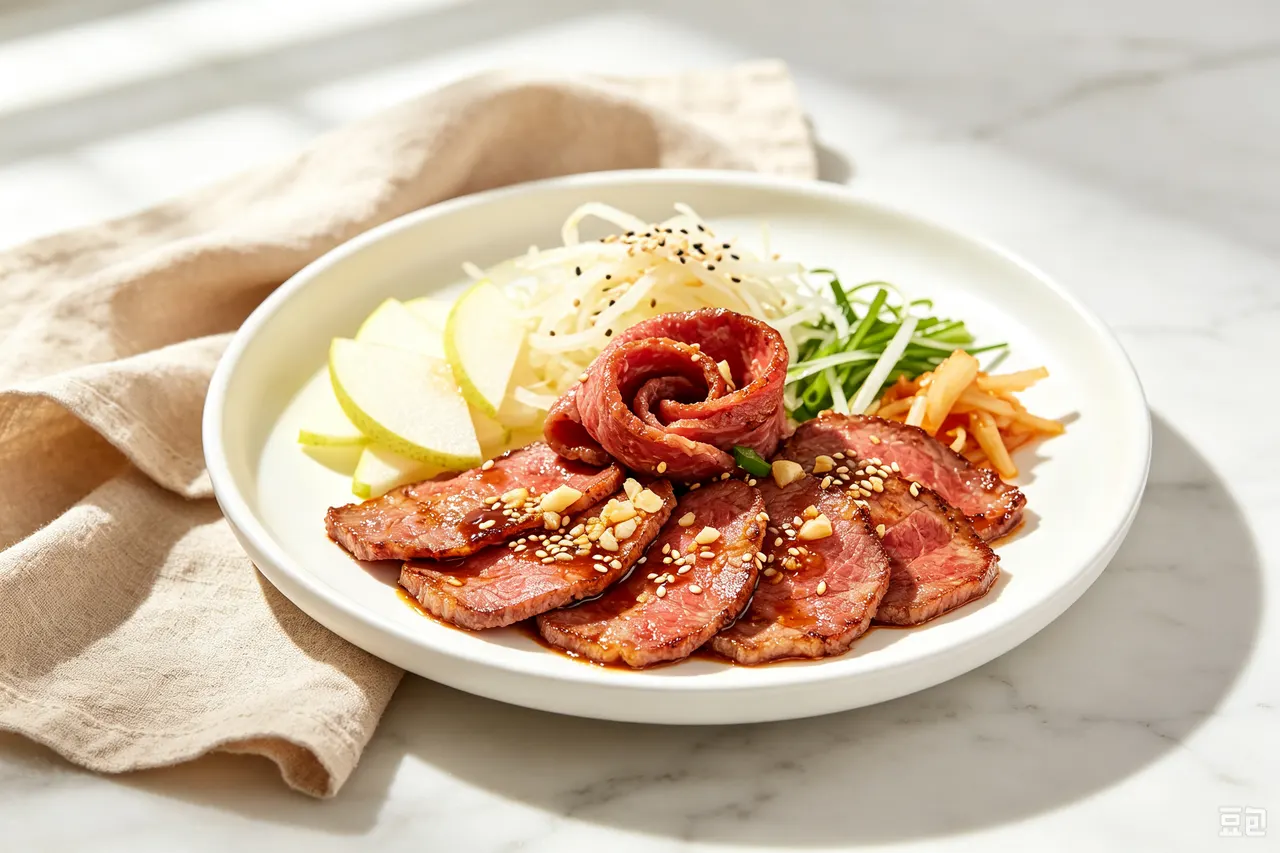
Light Bulgogi
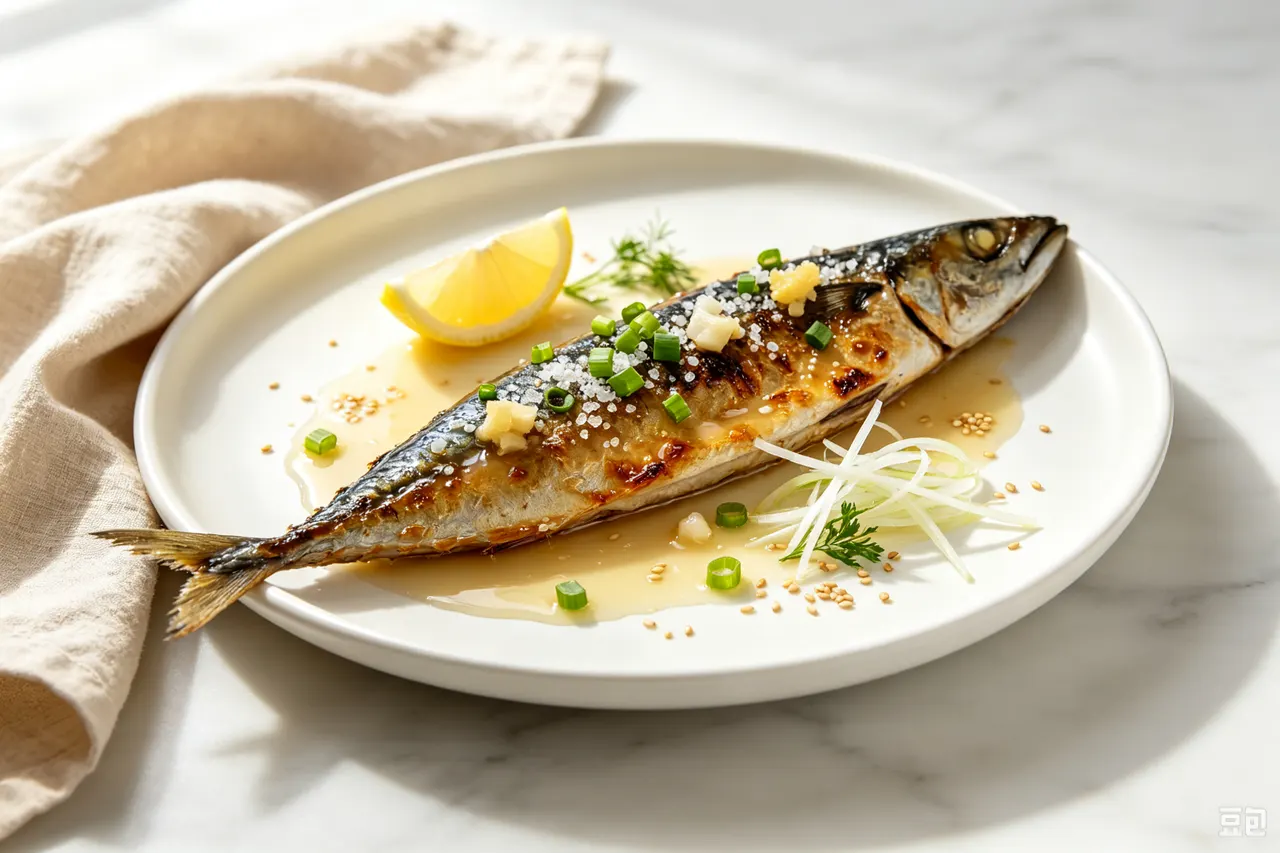
Korean Grilled Mackerel Godeungeo
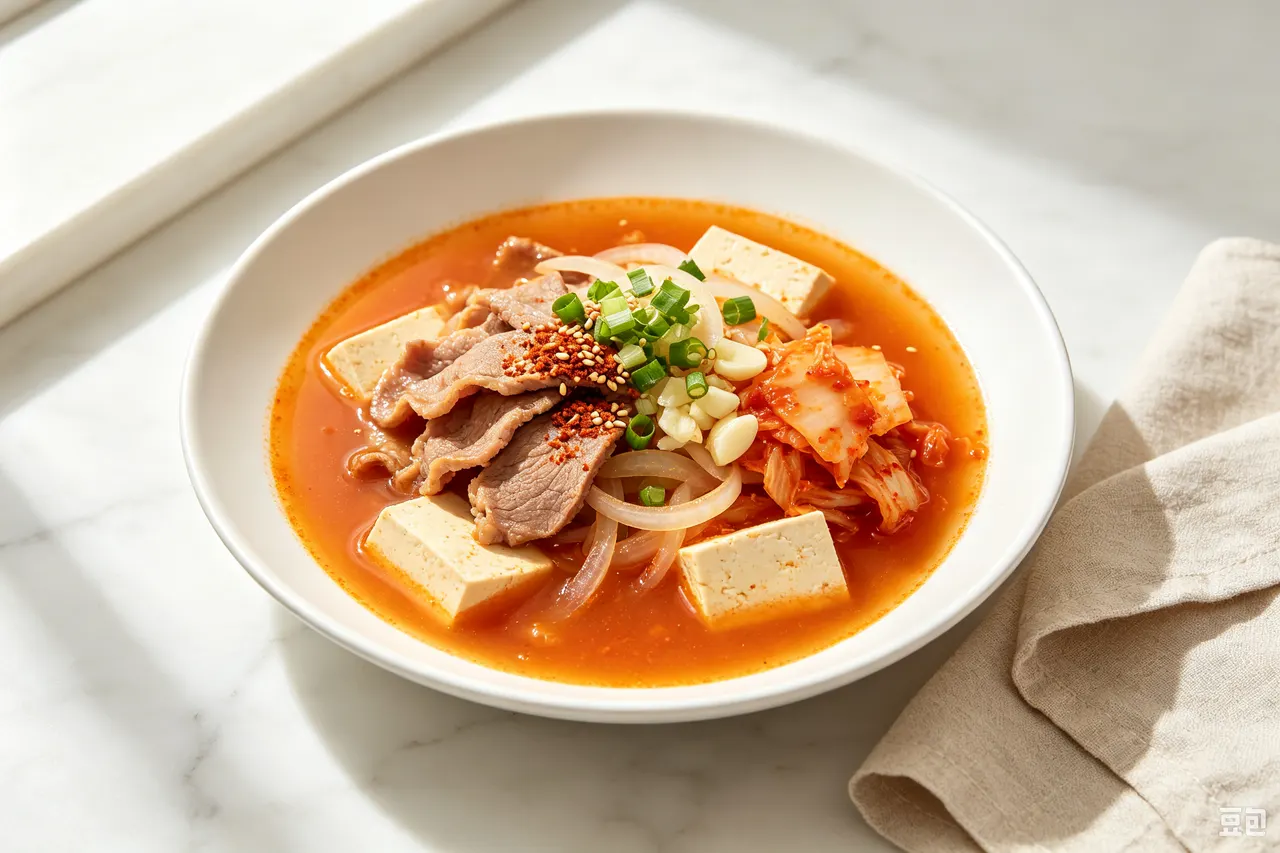
Kimchi Stew
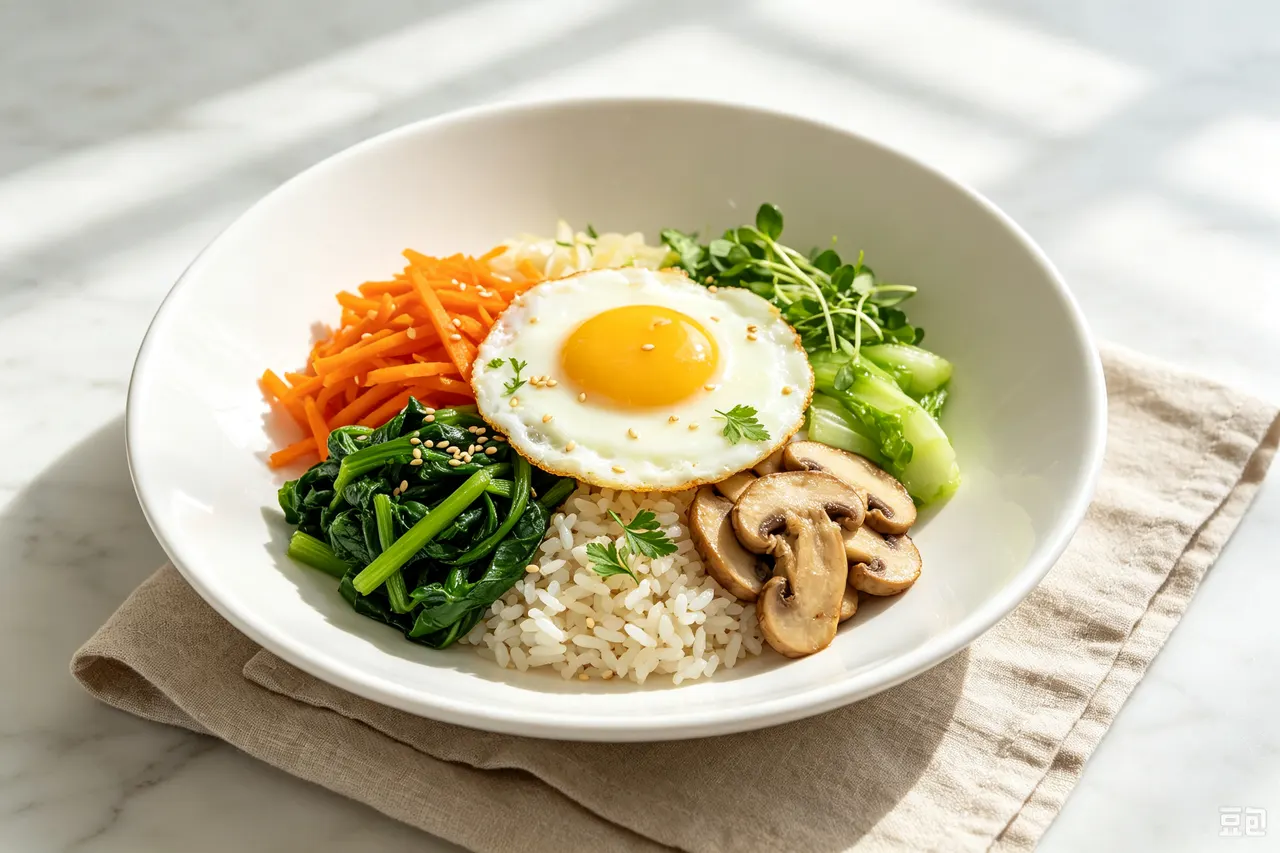
Light Bibimbap
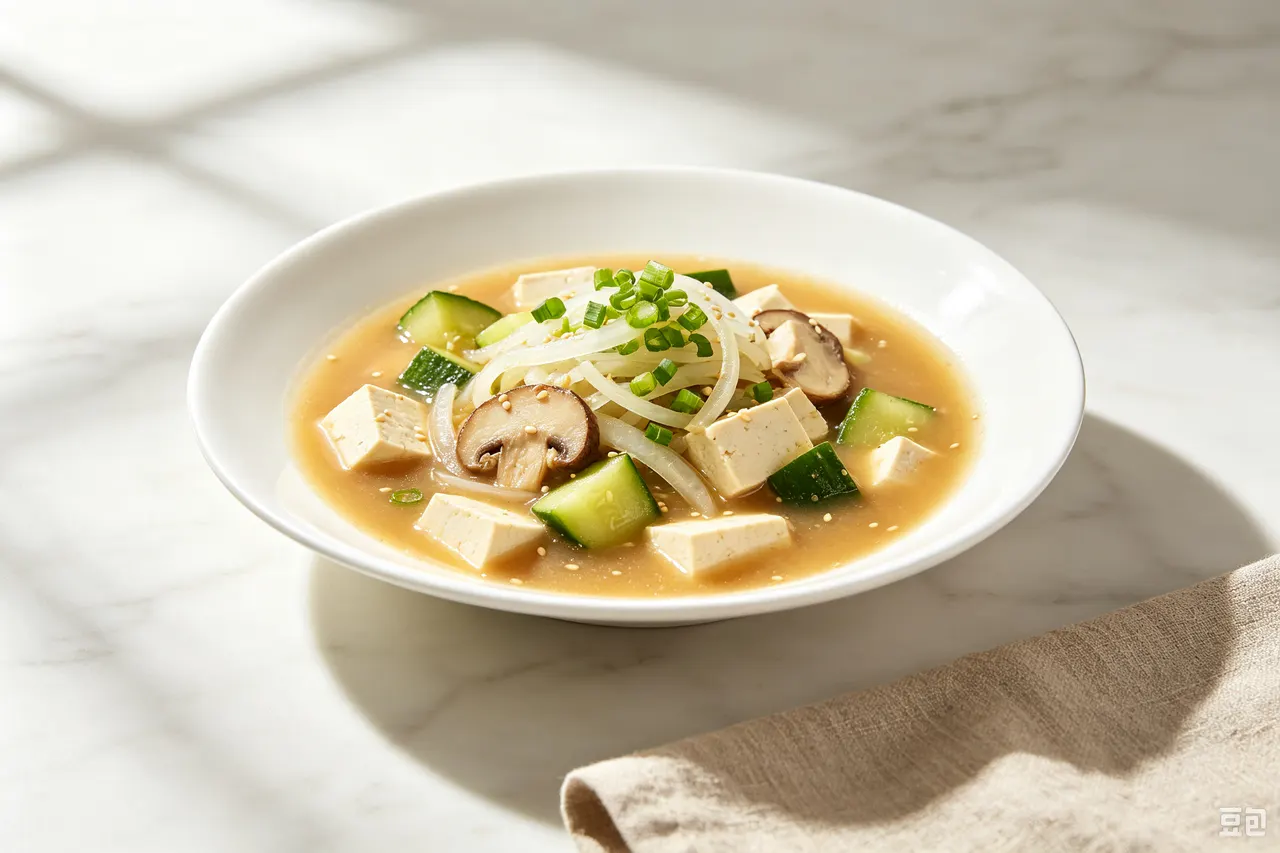
Doenjang Jjigae
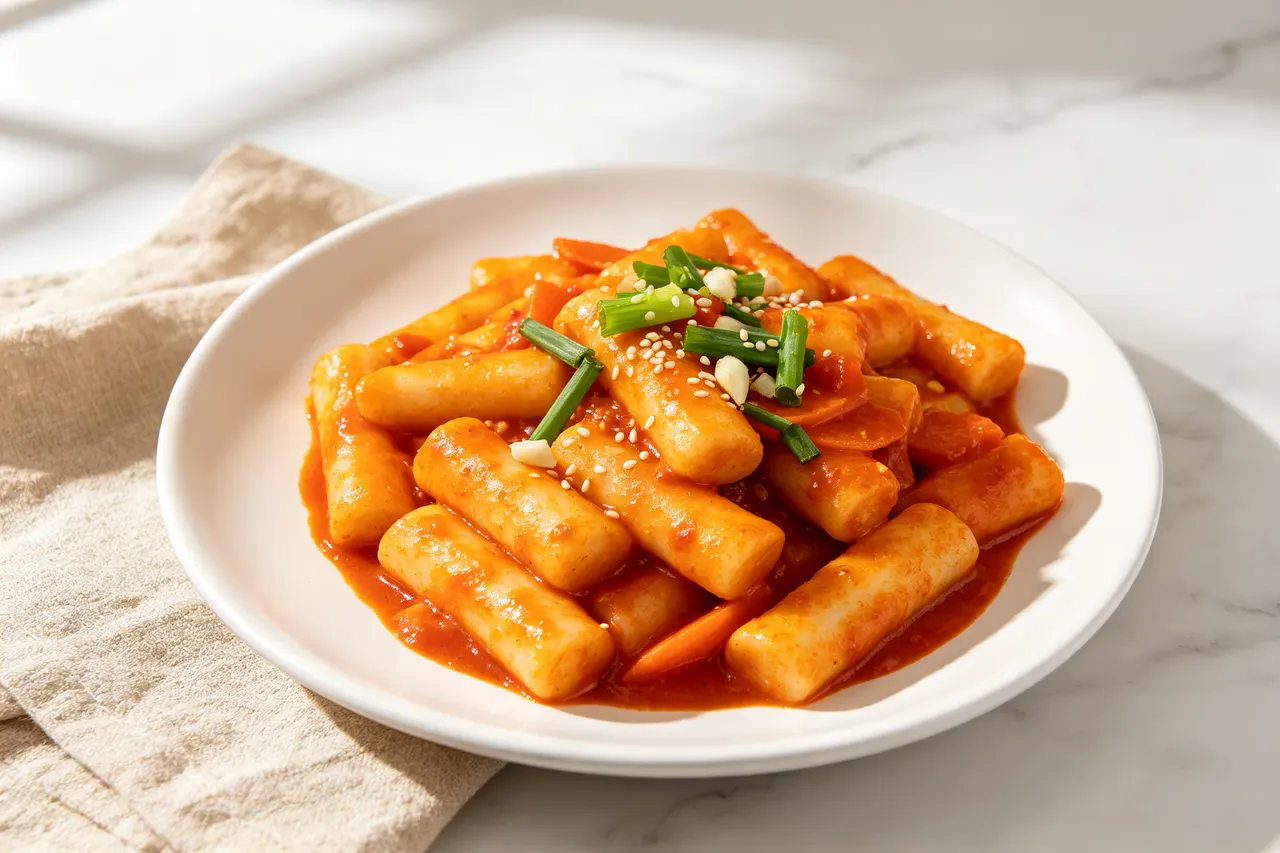
Light Tteokbokki
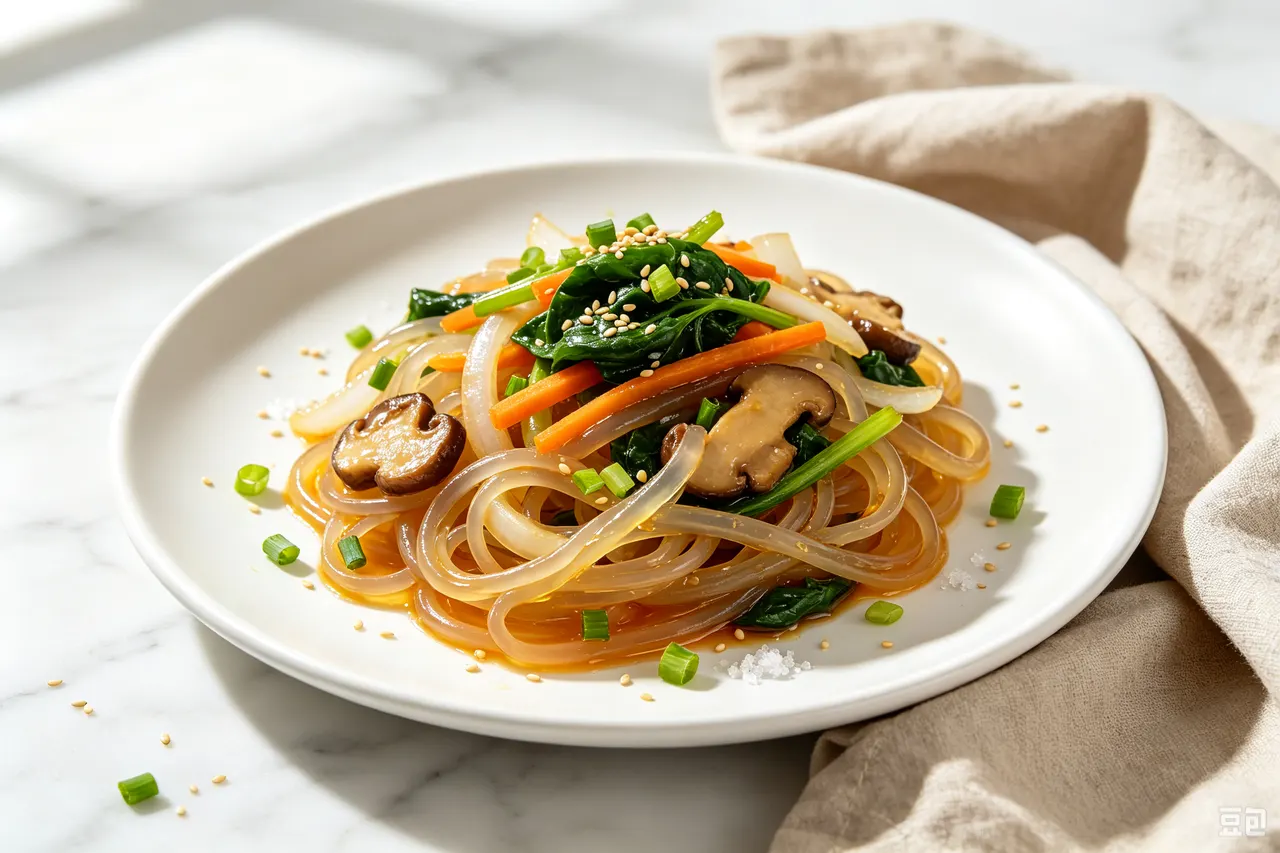
Light Japchae
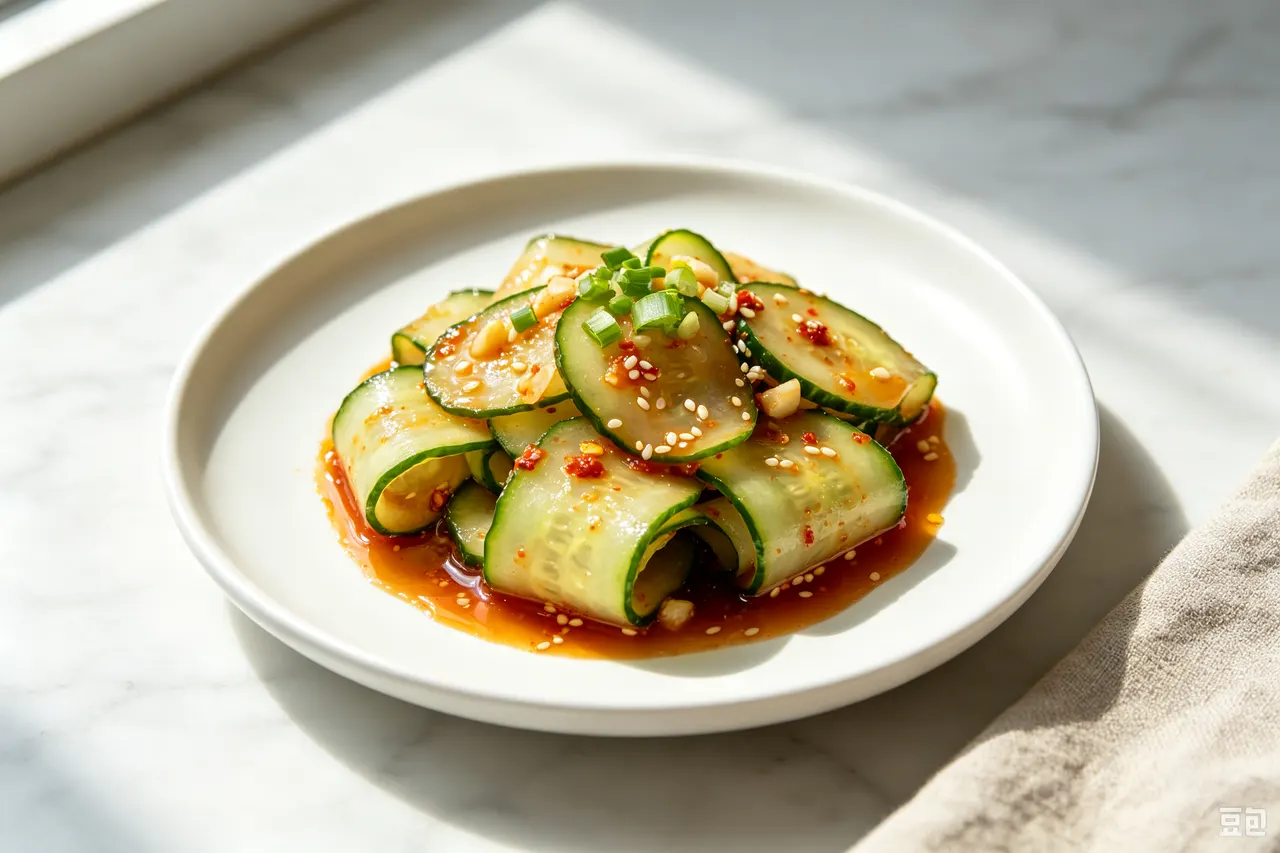
Korean Cucumber Salad Oi Muchim
What to Look for in Low-Calorie Korean Recipes
The best low-calorie Korean recipes lean on vegetables, lean grilled meats, tofu, and fermented kimchi, with rice kept to a moderate portion. Look for dishes like bibimbap loaded with namul (seasoned vegetables), clear broth soups (guk), kimchi stews built on lean pork or tofu, and grilled marinated meats where the fat is trimmed. Watch for sugar in marinades, generous sesame oil, and anything fried - these are the main places calories hide.
Sauces and banchan matter too. Gochujang and ssamjang add big flavor but should be used as seasonings, not dips by the spoonful, since they carry sugar and oil. A high protein-per-100-calorie score on each card highlights the highest-protein bowls, stews, and grilled plates, and leaning on lettuce wraps (ssam) in place of extra rice is one of the easiest ways to keep a Korean meal light.
Tips for Cooking Korean Food at Home
- Trim sugar in marinades and brighten with rice vinegar or lemon instead.
- Use sesame oil as a finishing seasoning - a few drops go a long way for aroma.
- Keep a jar of kimchi on hand to add instant flavor to rice, soups, and eggs.
- Build bibimbap with extra seasoned vegetables and less rice for a lighter bowl.
- Wrap grilled meats in lettuce leaves (ssam) to skip the carb-heavy rice base.
Frequently Asked Questions
Are Korean recipes good for a low-calorie diet?
Yes. Korean food is built on vegetables, lean grilled meats, fermented kimchi, and broth-based stews seasoned with garlic, gochugaru, and soy - all naturally light. The calorie traps are sugar in marinades, sesame oil, and fried dishes, which are easy to trim.
Is bibimbap low in calories?
It can be. A bowl built on lots of vegetables, lean beef or tofu, and a moderate amount of rice with a light gochujang sauce lands around 400-500 calories. Cut the rice, skip the fried egg, and go easy on sesame oil to push it lower.
What are the lowest calorie Korean foods?
Kimchi (15-25 cal per serving), clear broth soups like myeolchi guk, steamed vegetables (namul), and grilled marinated meats with the fat trimmed. Fermented sides add big flavor and gut-friendly benefits for very few calories.
How do I make Korean BBQ lower in calories?
Pick lean cuts like sirloin or chicken breast, trim sugar and oil in the marinade, and wrap each bite in lettuce (ssam) instead of eating it over rice. Load the table with vegetable banchan and you get all the Korean BBQ flavor for a fraction of the calories.
Is kimchi good for weight loss?
Yes. Kimchi is extremely low in calories - around 15-25 per serving - and packed with fiber, vitamins, and probiotics from fermentation that support gut health and satiety. Its strong tang and heat also let you flavor rice, soups, and eggs boldly without oil or salt, making it one of the best low-calorie condiments you can keep on hand.
Is gochujang high in calories?
Gochujang is moderately caloric - about 35-50 calories per tablespoon - because it contains some sugar and rice ferment. Used as a seasoning (a teaspoon or two thinned with broth or vinegar), it adds huge flavor for very few calories. The trap is sweetened marinades and dipping sauces, so measure rather than scoop generously.
Is Korean fried chicken healthy?
Traditional Korean fried chicken is double-fried and glazed in a sweet gochujang or soy-garlic sauce, so a portion can run 600-900 calories. For a lighter take, air-fry or oven-bake the chicken, use a thin coating, and lighten the glaze with extra vinegar and less sugar - you keep the sweet-spicy crunch for a fraction of the calories.
Related Recipes and Tools
Build a low-calorie Korean meal plan
Tell us what's in your kitchen and we'll match these Korean recipes to your ingredients and calorie target.
Build a Meal Plan ->